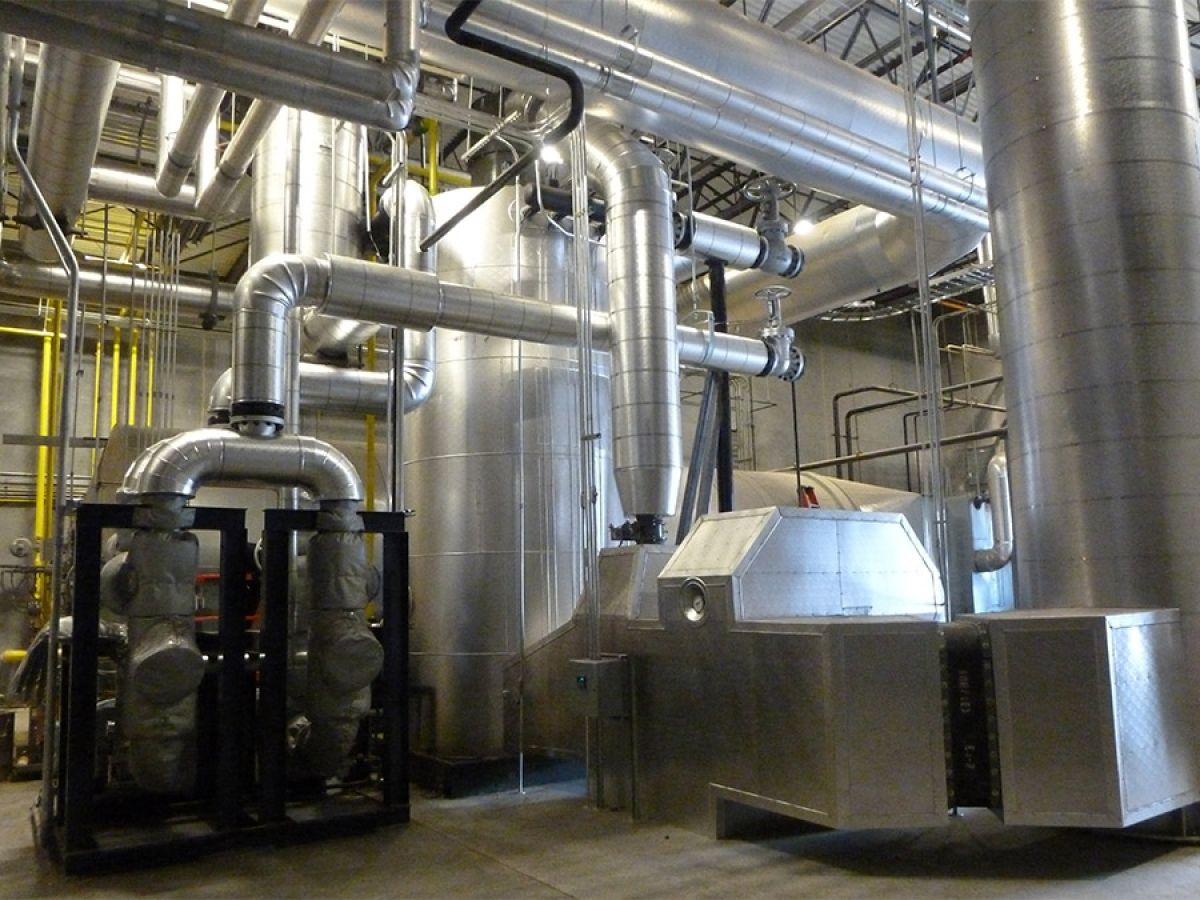
Thermal oil systems for industrial temperature control
Precise, safe and economical heat supply
Numerous industrial processes require precise temperature control and reliable heat supply – whether for drying, heating, forming or even chemical reactions. With a thermal oil system, you can offer your company a modern and powerful solution for generating and supplying process heat in the temperature range up to 400 °C: efficient, precise, safe and flexible. CAW supplies tailor-made complete thermal oil systems that are optimally adapted to your specific requirements.
How does a thermal oil system work?
A thermal oil system, also known as a thermal oil, heat transfer oil system or HTF/HTM system, uses special temperature-resistant mineral (up to approx. 300 °C) and synthetic (up to 400 °C) thermal oils instead of water or steam as heat transfer media for the indirect temperature control of production processes and thermal processes.
Basic principle
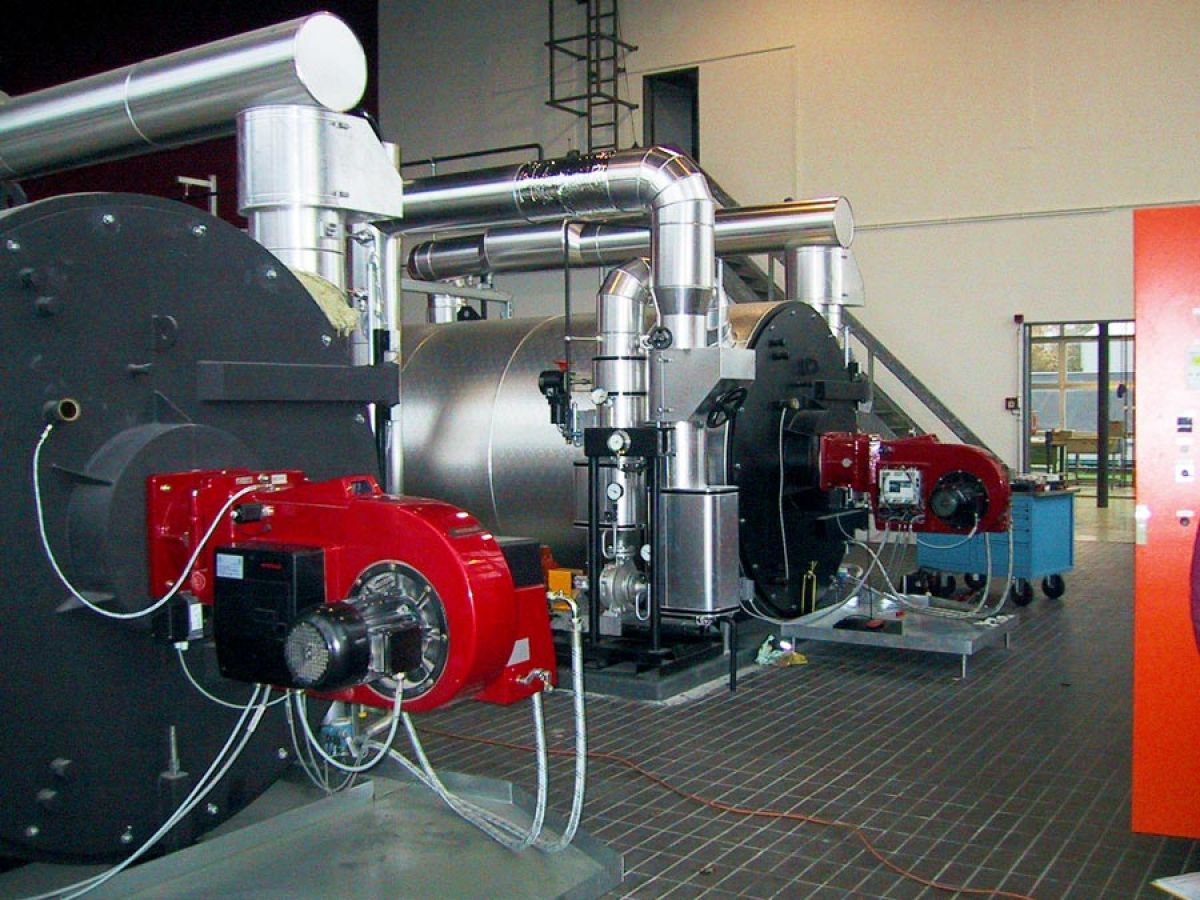
- Oil or gas burner systems, electric heating elements or other mechanical combustion systems generate primary heat.
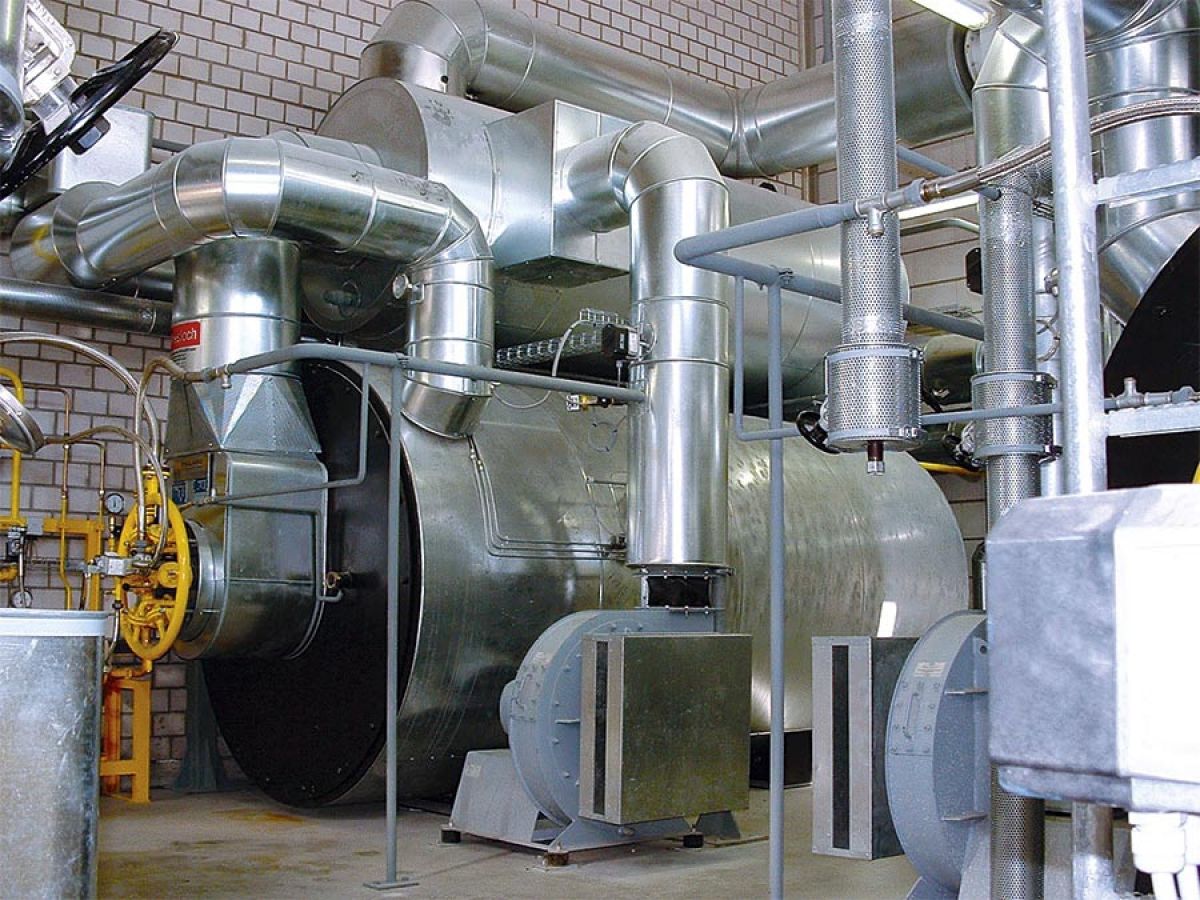
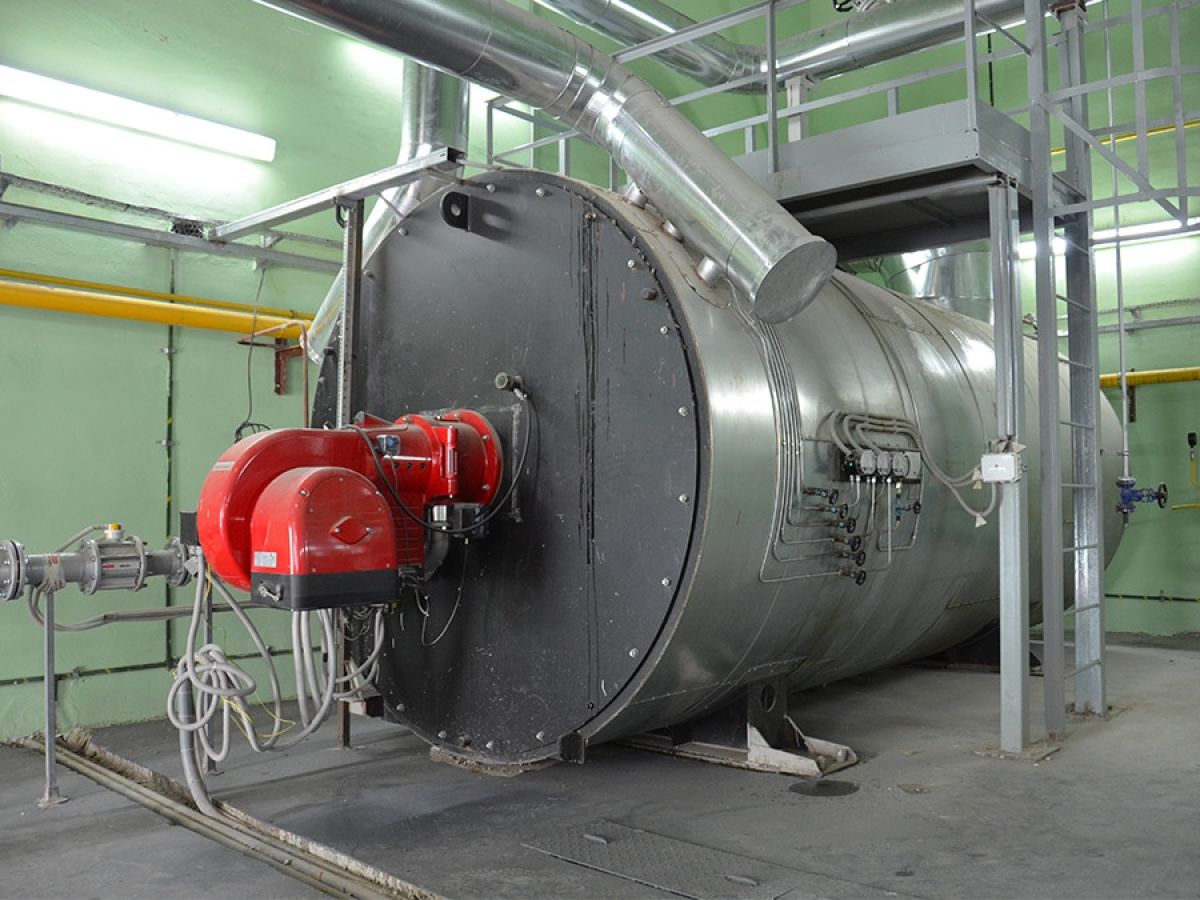
- This heat is transferred to the thermal oil in a special heat exchanger, also known as a furnace or boiler, which usually consists of wound heating surface systems in the form of concentric cylindrical pipe coils.
- The heated thermal oil is conveyed in a closed system through pipes to the heat consumers in the production processes. There, heat is transferred to secondary circuits and consumers. The cooled oil then flows back to the heater and the cycle begins again.
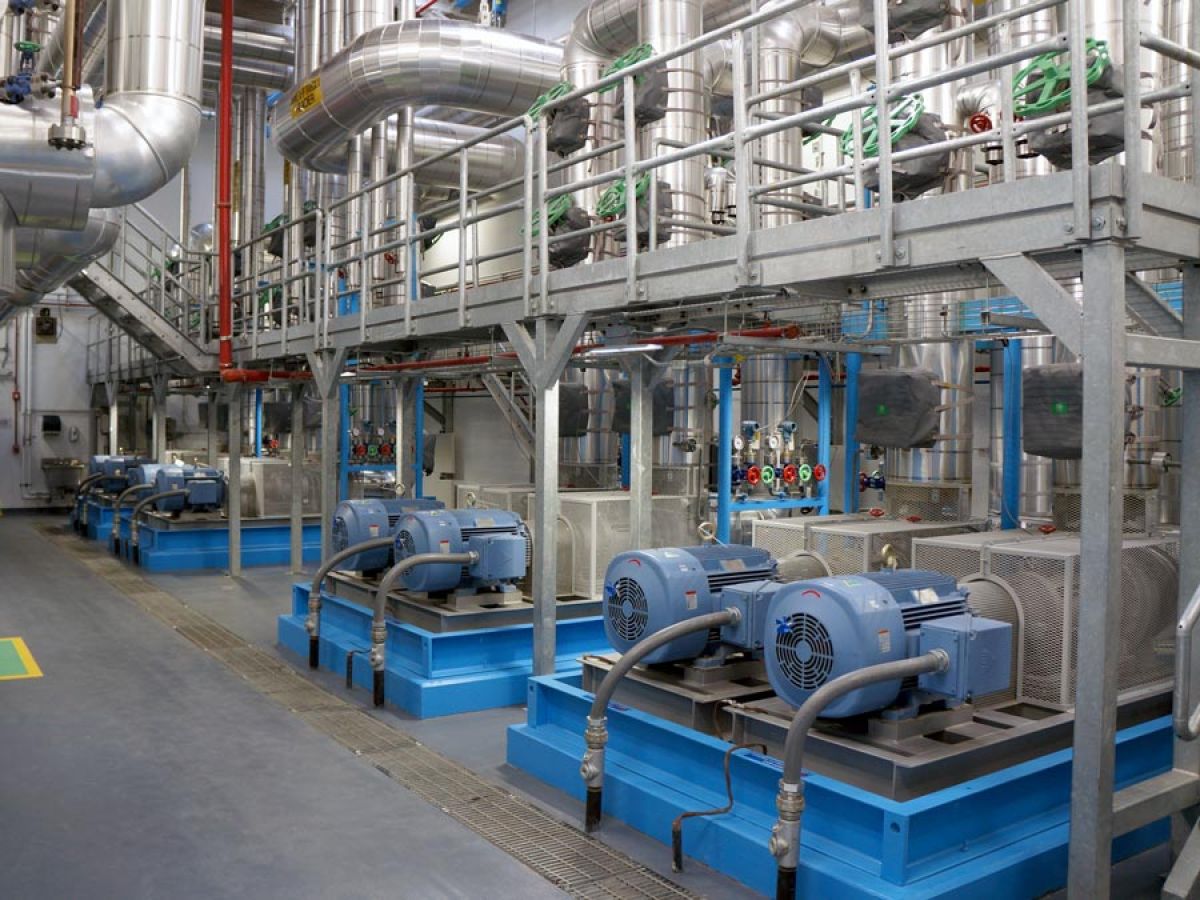
- Circulation pumps ensure the constant circulation of the thermal oil in all plant and system components.
- State-of-the-art, standard-compliant control and regulation technology monitors the temperature, flow and safety of the plant.
Technical features
- Thermal oil allows high flow temperatures of up to approximately 300 °C at near atmospheric pressure, and even up to 400 °C in specially designed systems.
- As no significant vapour pressure is generated, many of the safety and maintenance complexities that are essential in steam or other high-pressure systems are eliminated.
- The permanently closed circuit eliminates corrosion, minimises heat loss and ensures a stable and even heat supply even for complex system configurations with any individual consumer temperatures and temperature spreads.
Advantages of a thermal oil plants
High temperatures at low pressure
Efficient heat transfer and uniform temperature control
Individually adjusted volume flows in closed circuits enable constant temperatures and uniform heat supply, making them ideal for all temperature-critical processes.
Low maintenance and long service life
Flexible choice of fuel and heat sources
In addition to fossil primary energy sources such as fuel gases and heating oils, electric heating and alternative energy sources are also possible.
Centralised and secure heat supply for multiple consumers
Good controllability and energy efficiency
Modern systems with optimised heating surface systems and secondary heating surfaces enable precise temperature control and minimise heat/waste heat losses, which reduces energy consumption and operating costs at the same time.
Industries and typical areas of application for thermal oil systems
Thermal oil systems are particularly suitable for industrial companies that require a reliable, consistent and flexible heat supply. Typical industries and applications include:

Chemical and pharmaceutical industry
Reactor and mixing vessel heating, spray and contact drying systems, rectification/distillation, trace heating, etc.

Plastics and rubber industry

Wood and wood processing
Drying of sawn/cut timber, wood chips and fibres, and veneers; heating of single and multi-stage presses; heating of paper coating and glue production plants; thermal refinement of sawn timber; heating of painting plants.

Textile industry

Bitumen, asphalt and construction chemicals

Semiconductor and circuit board manufacturing
Drying of circuit boards.

Energy supply and plant engineering
Centralised and decentralised heat supply, combined heat and power plants, waste heat utilisation.
Fuels and heat transfer media used
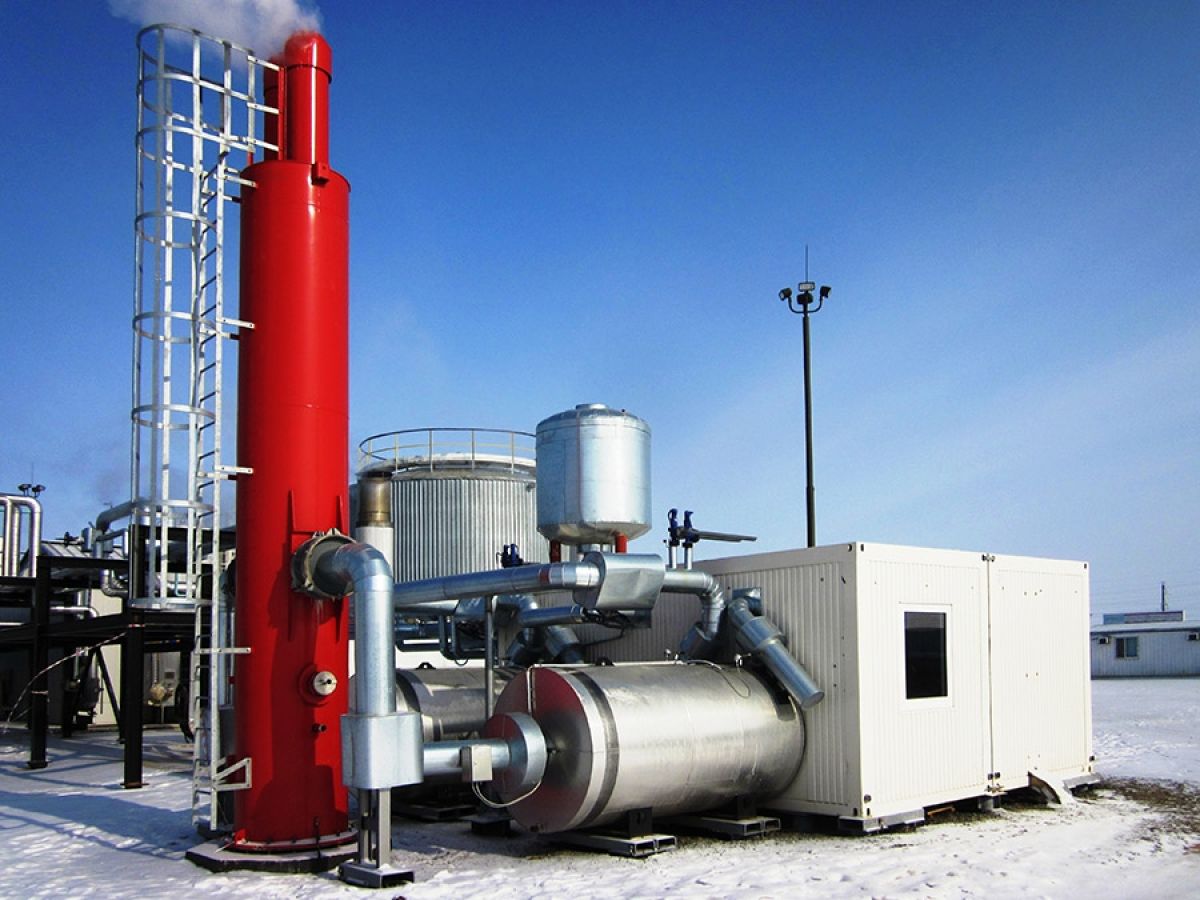
A thermal oil system can use a variety of fuels and different thermal oils, depending on requirements, process conditions and energy availability:
Fuel options / Primary energy sources
- Combustible gases such as natural gas, liquefied gases (LPG, LNG), low-calorific gases, landfill gases and biogases
- Liquid fuels such as light, heavy and extra-heavy heating oils, distillation residues and solvent residues
- Biomass, agricultural waste, organic waste streams in liquid, solid and paste form, as well as alternative fuels such as RDF (depending on the design and construction of grate systems and combustion and afterburning chambers)
- Electric heating without any combustion or emissions, particularly suitable if no boiler room and/or stable and secure fuel supply/storage is available or if there are exceptional environmental requirements.
Heat transfer oils / Thermal oils / Thermal fluids / HTF
- Thermal oils generally exhibit high thermal stability with negligible vapour pressures.
- Depending on the temperature range of application, mineral (refining and upgrading of crude oils) or synthetic (combination of base oil refining and targeted chemical modification) thermal oils are used:
- At temperatures up to around 300 °C, mineral thermal oils are significantly cheaper, but their application temperatures are limited.
- For higher temperatures up to 400 °C (in exceptional cases even up to 430 °C), synthetic thermal oils offer considerably better thermal stability with a significantly lower tendency to decompose.
- A well-chosen thermal oil allows stable and even heat transfer with a long service life/operating time and without the risk of corrosion or calcification.
Why CAW thermal oil systems are your best choice
With a professionally planned, executed and commissioned thermal oil system from CAW, you get a heat transfer oil system that meets the highest requirements in terms of temperature, safety, efficiency, ease of maintenance and service life. Thanks to decades of global experience in plant and equipment engineering across all industries, our solutions are always tailored precisely to your needs – regardless of your sector or process. Please contact us for individual advice and a concept optimised to your requirements.