Incineration plants for industrial waste
Reliable heat, safe processes, high efficiency
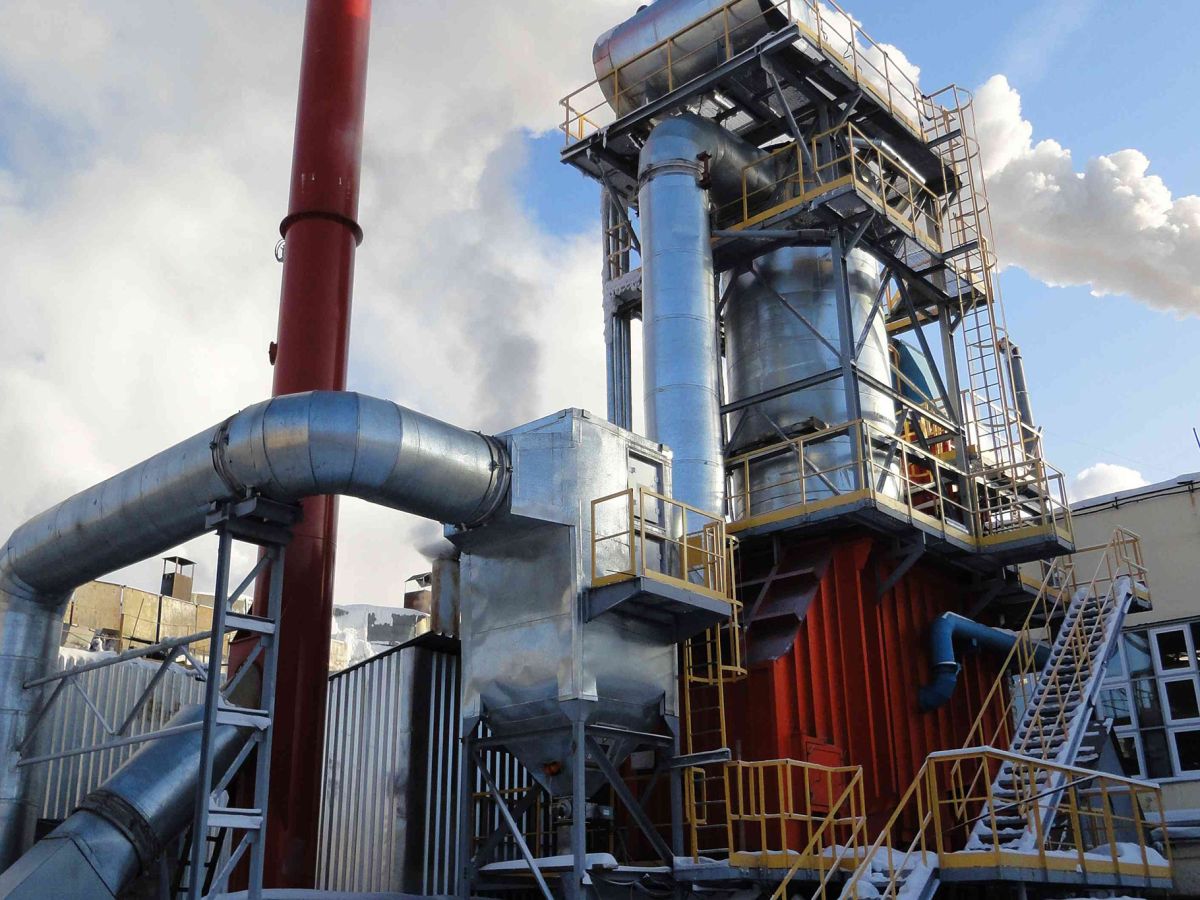
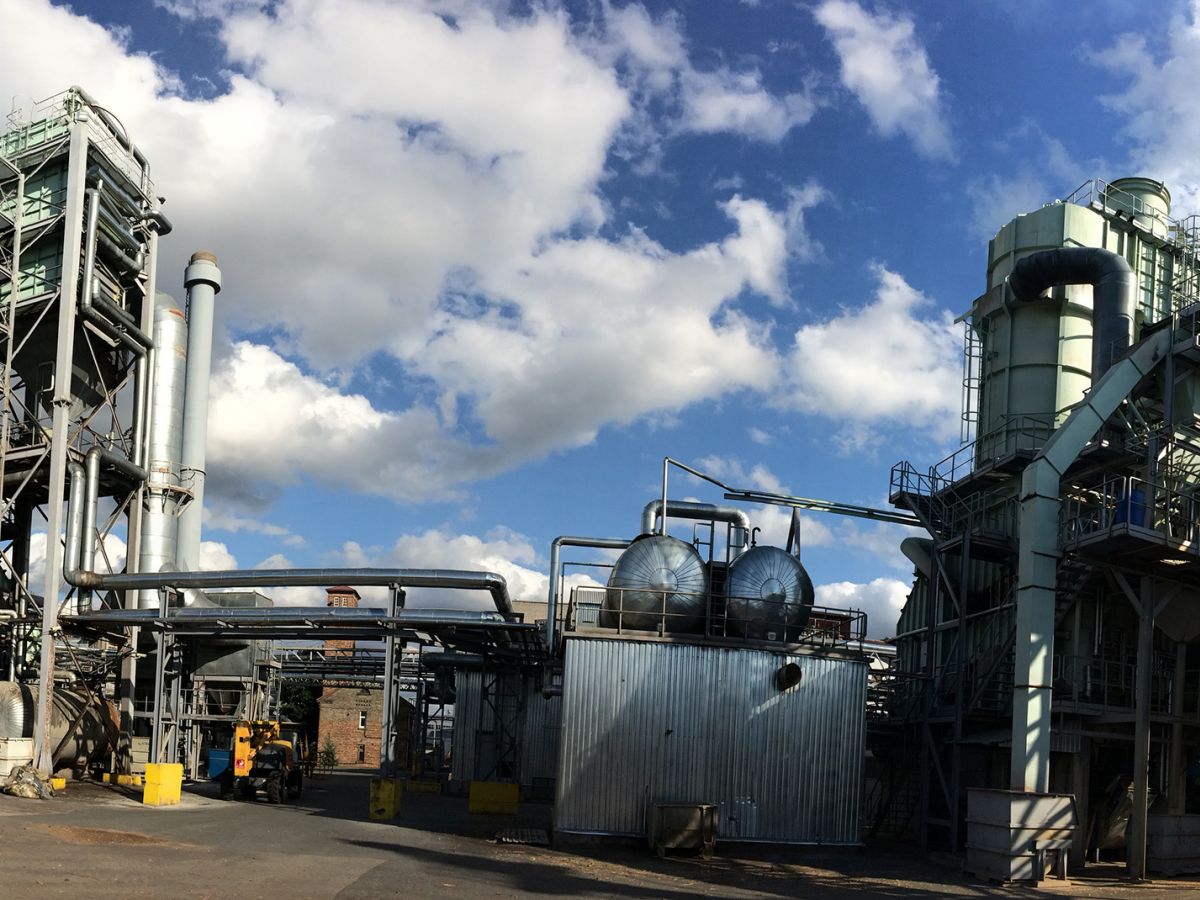
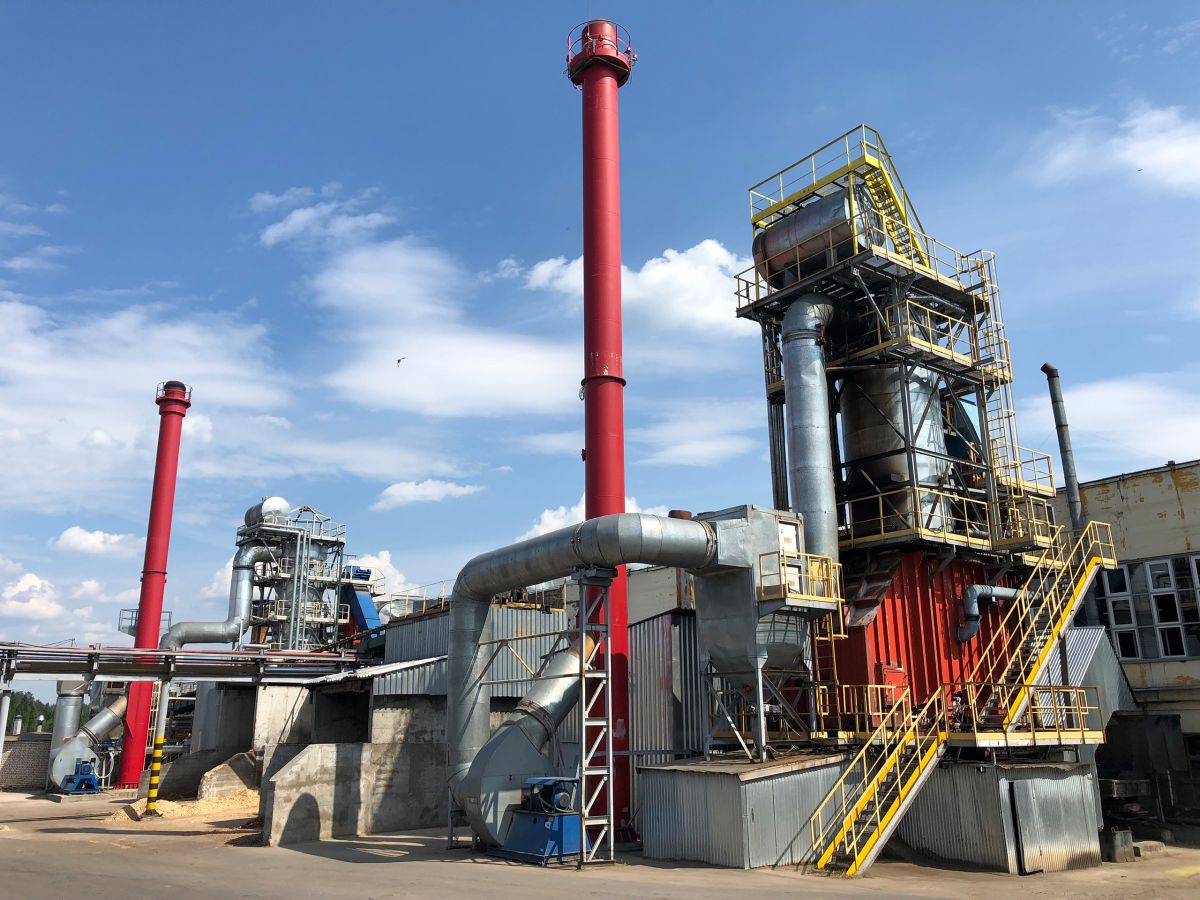
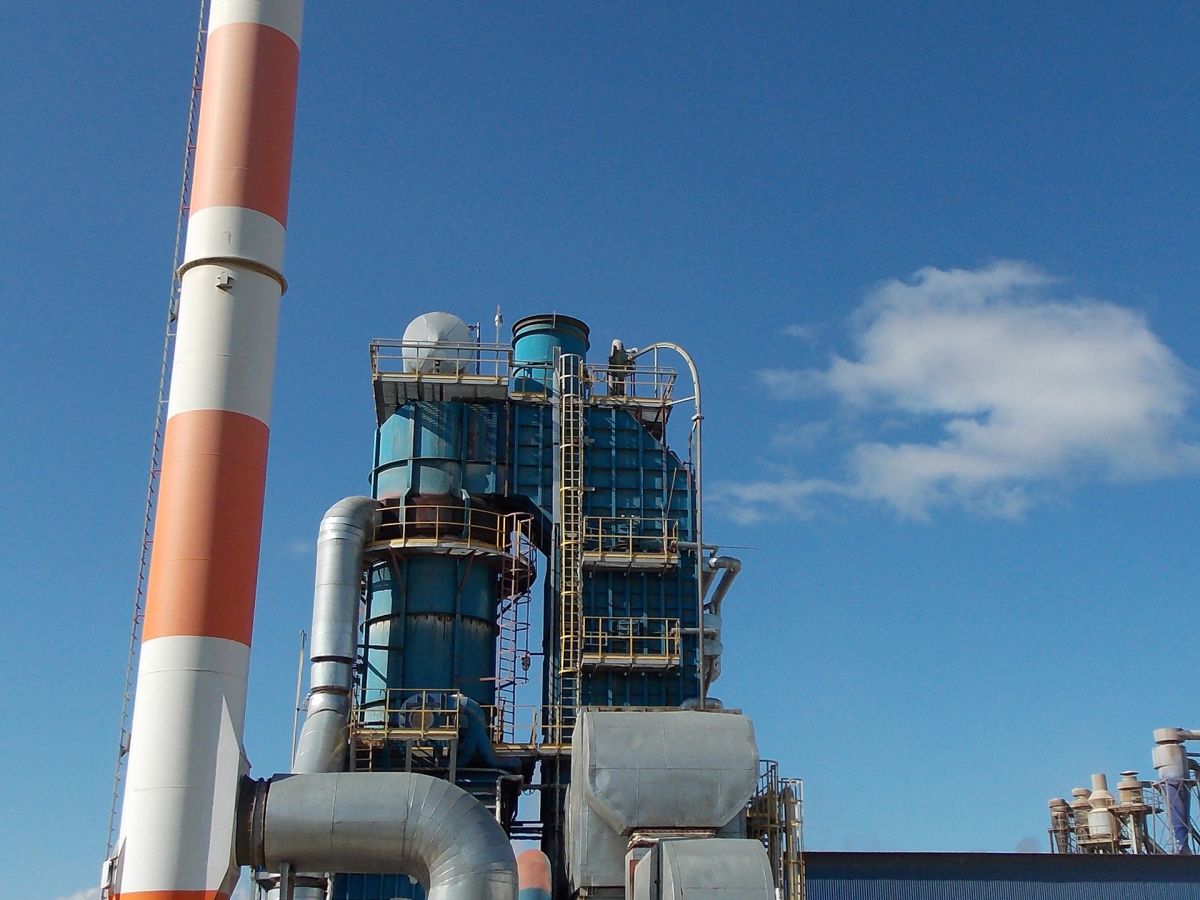
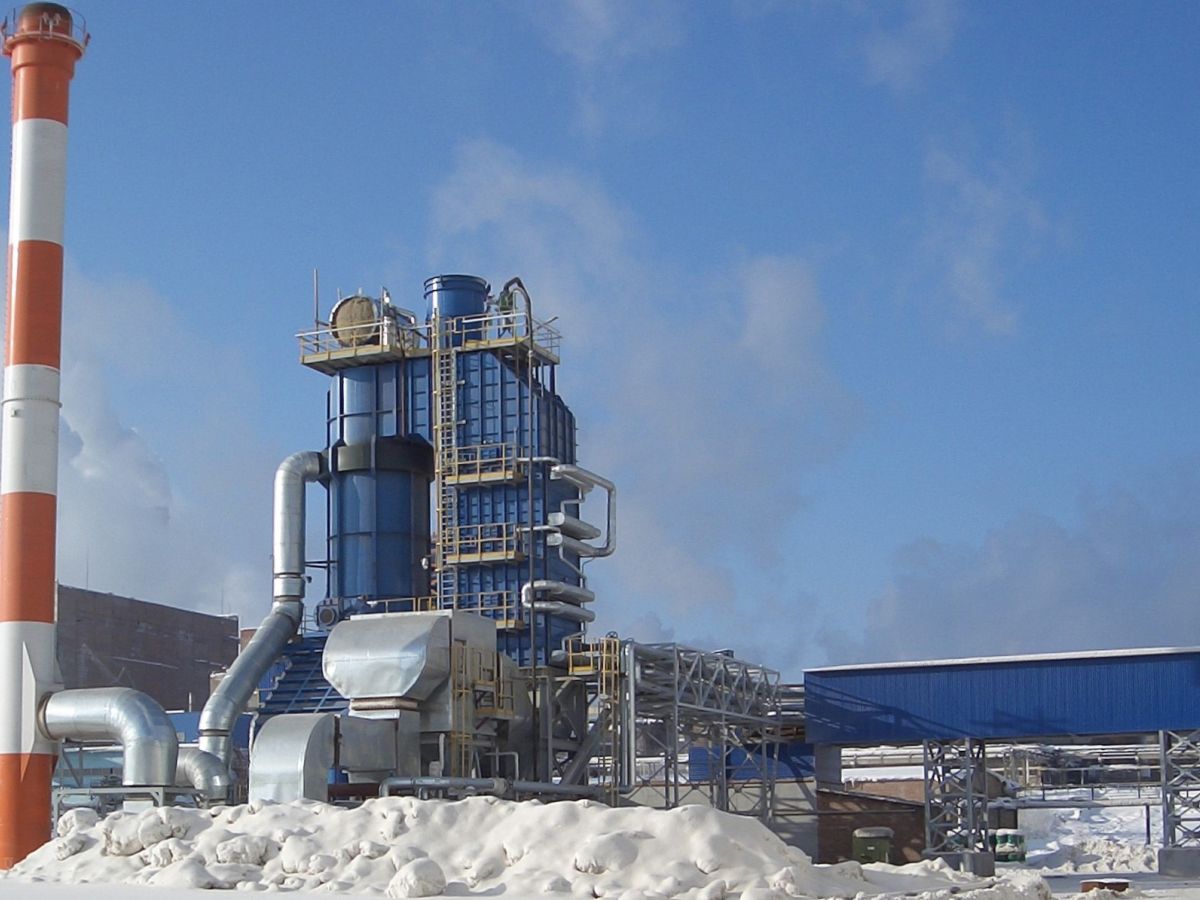
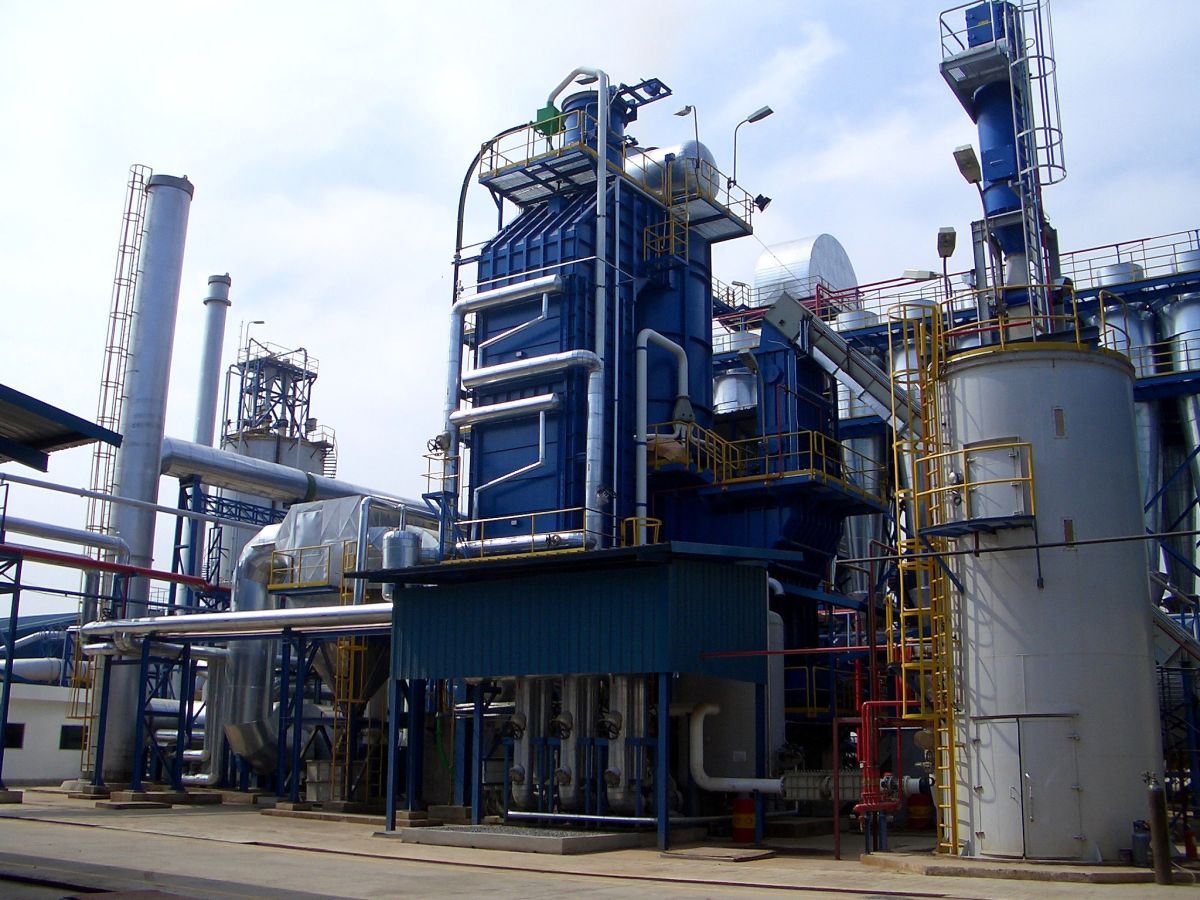
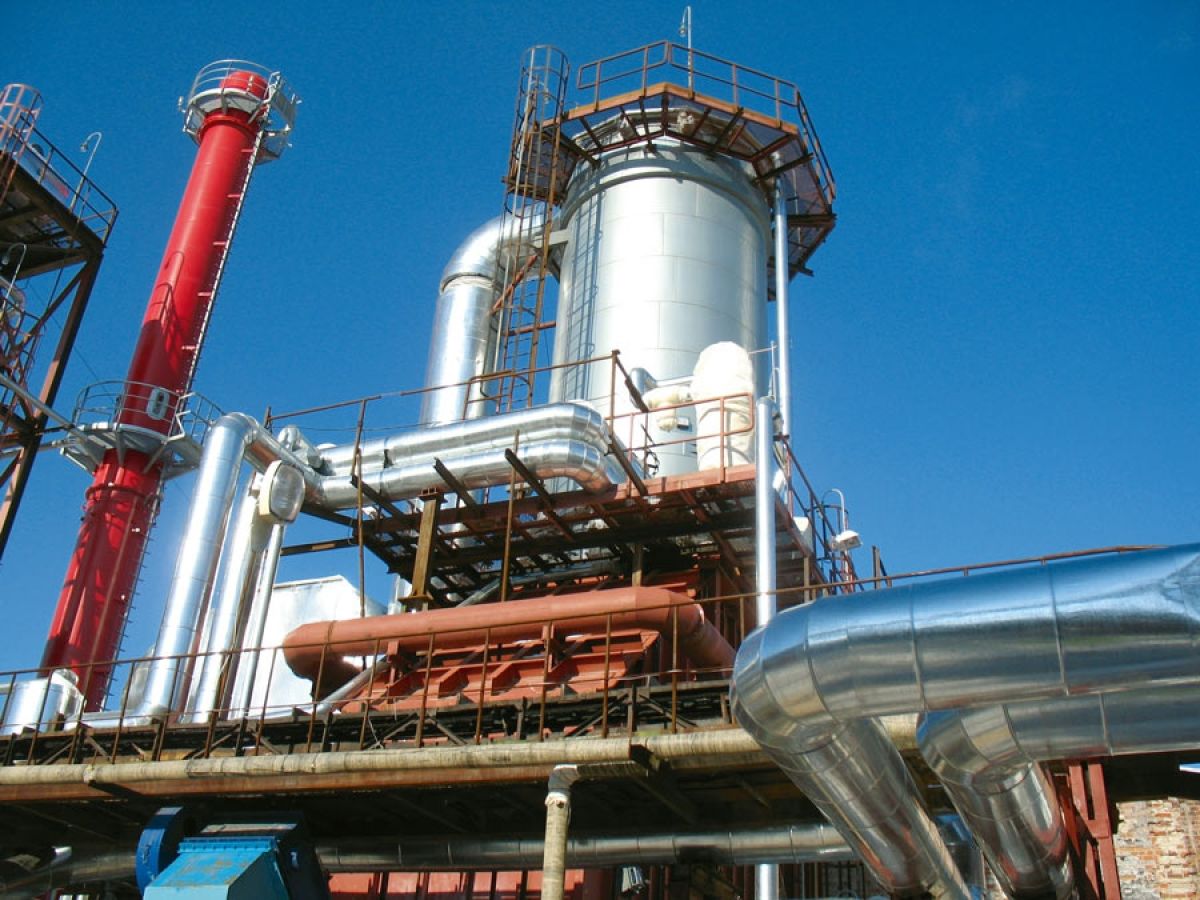
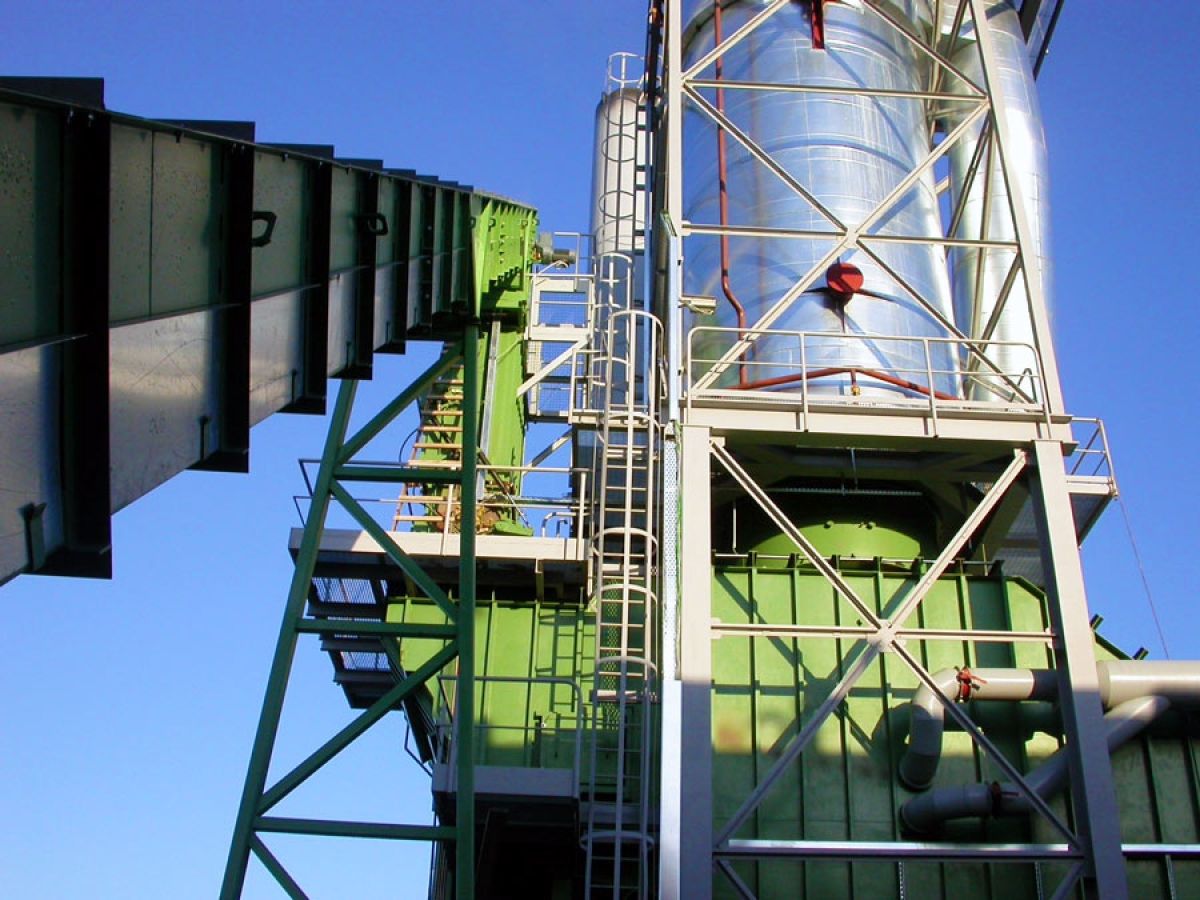
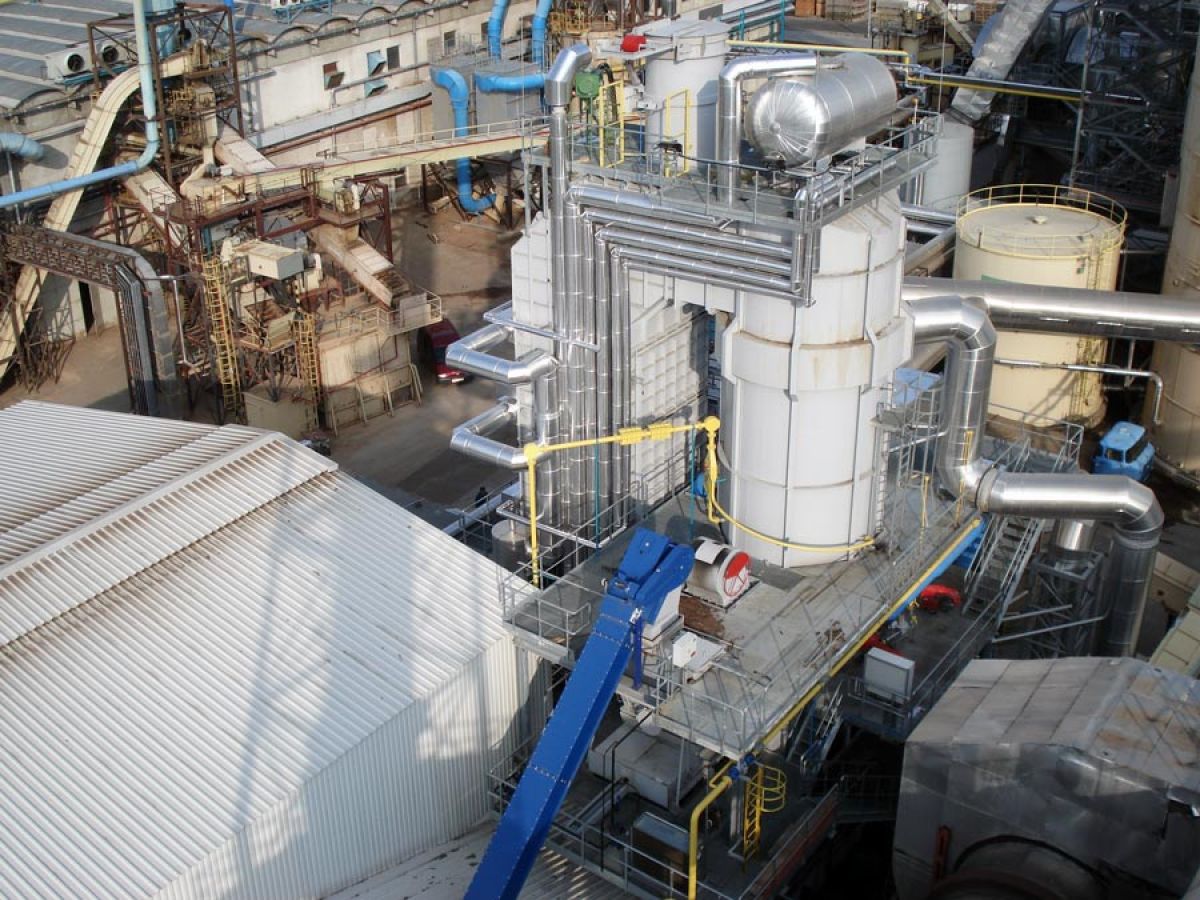
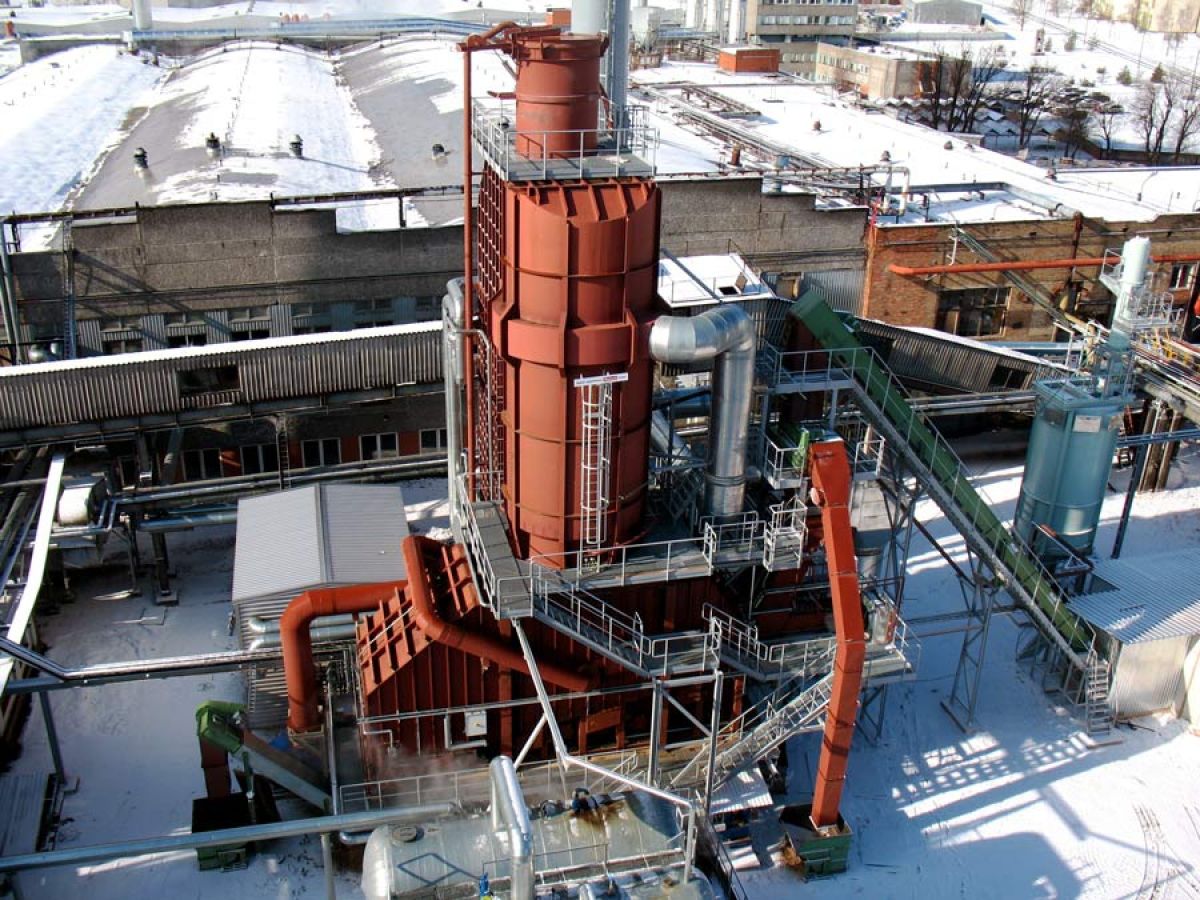
Numerous industries generate solid, liquid and / or paste-like residues and waste that can be used to generate energy. At the same time, landfill space – which is already in short supply due to environmental concerns – is becoming increasingly scarce, and legal requirements have long mandated the thermal / energy recovery of such materials. Modern incineration plants enable the safe and efficient thermal utilization of these material streams while simultaneously providing usable process heat. CAW develops robust and durable incineration plants designed for demanding industrial conditions – ranging from production waste to waste from forestry, wood-based materials production, and agriculture.
How do industrial incineration plants work?
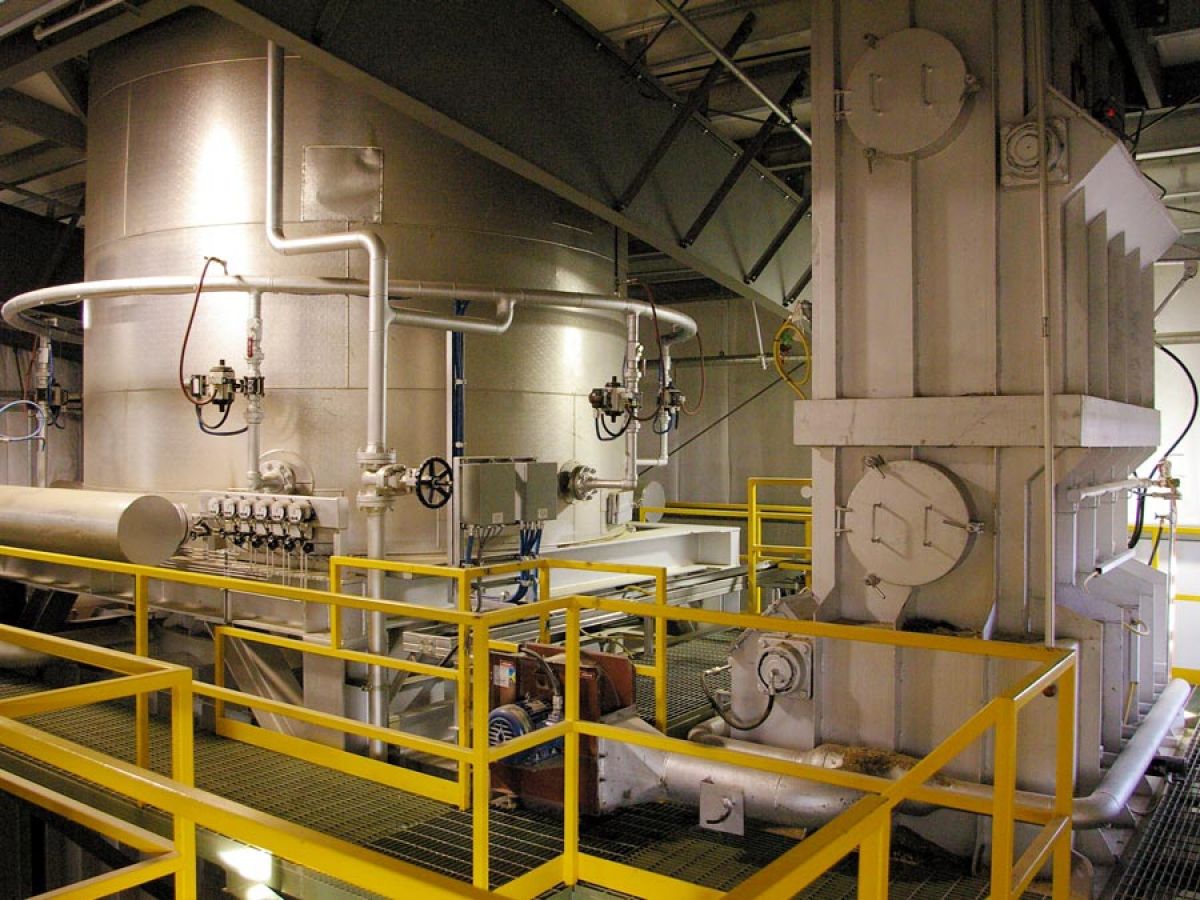
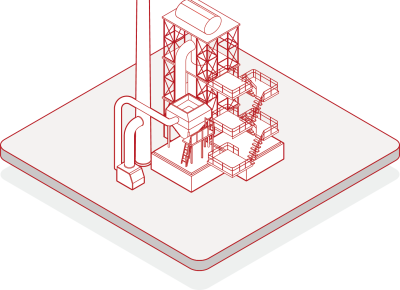
Incineration plants utilize the energy content of waste or biomass to generate process heat, hot gases or other forms of thermal energy. Depending on the material, particle size, moisture content, ash content, and calorific value, different combustion principles are employed.
Basic principle
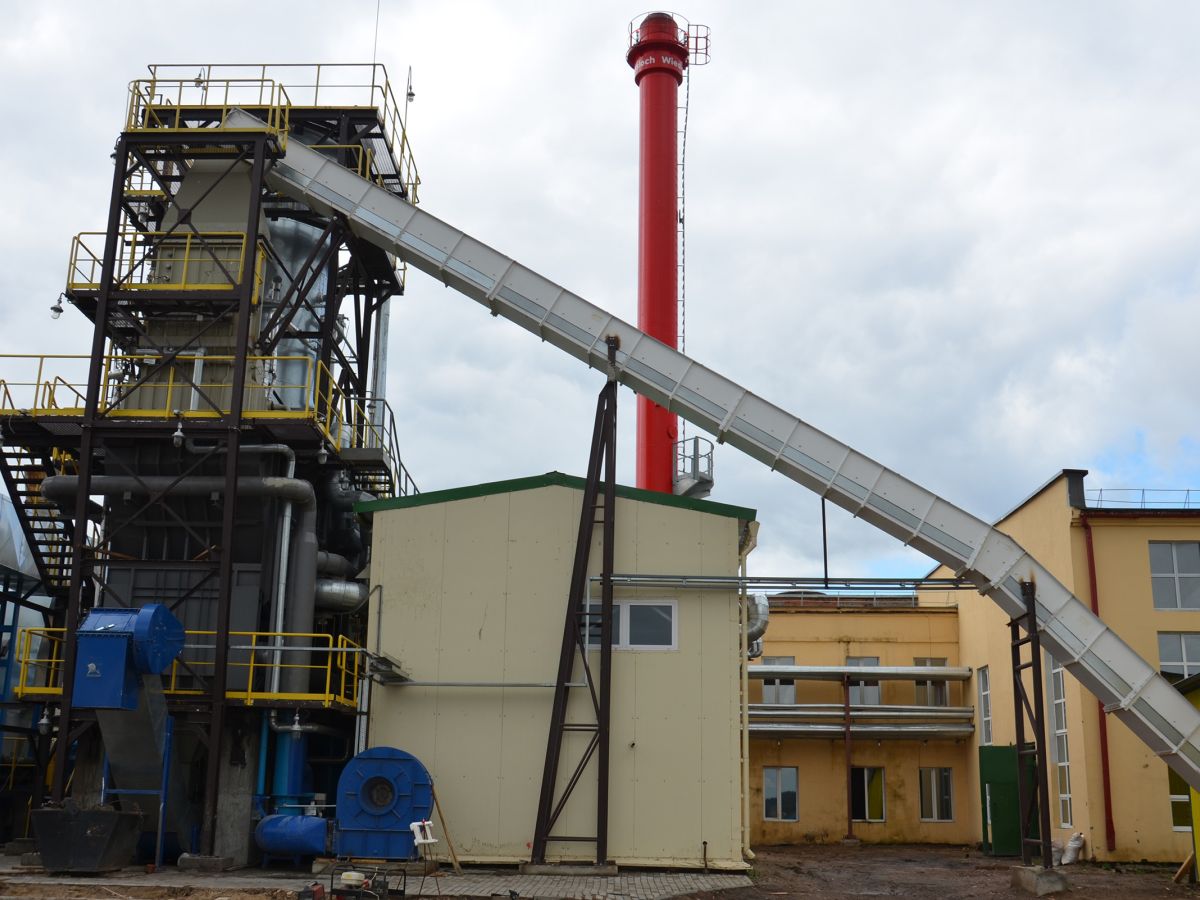
- The fuel is fed into a specially designed combustion chamber – as lump or bulk material, or in liquid or paste-like form.
- Combustion takes place under defined and reproducible conditions with a controlled air supply, tailored to the type of fuel, combustion chamber temperature and power requirements.
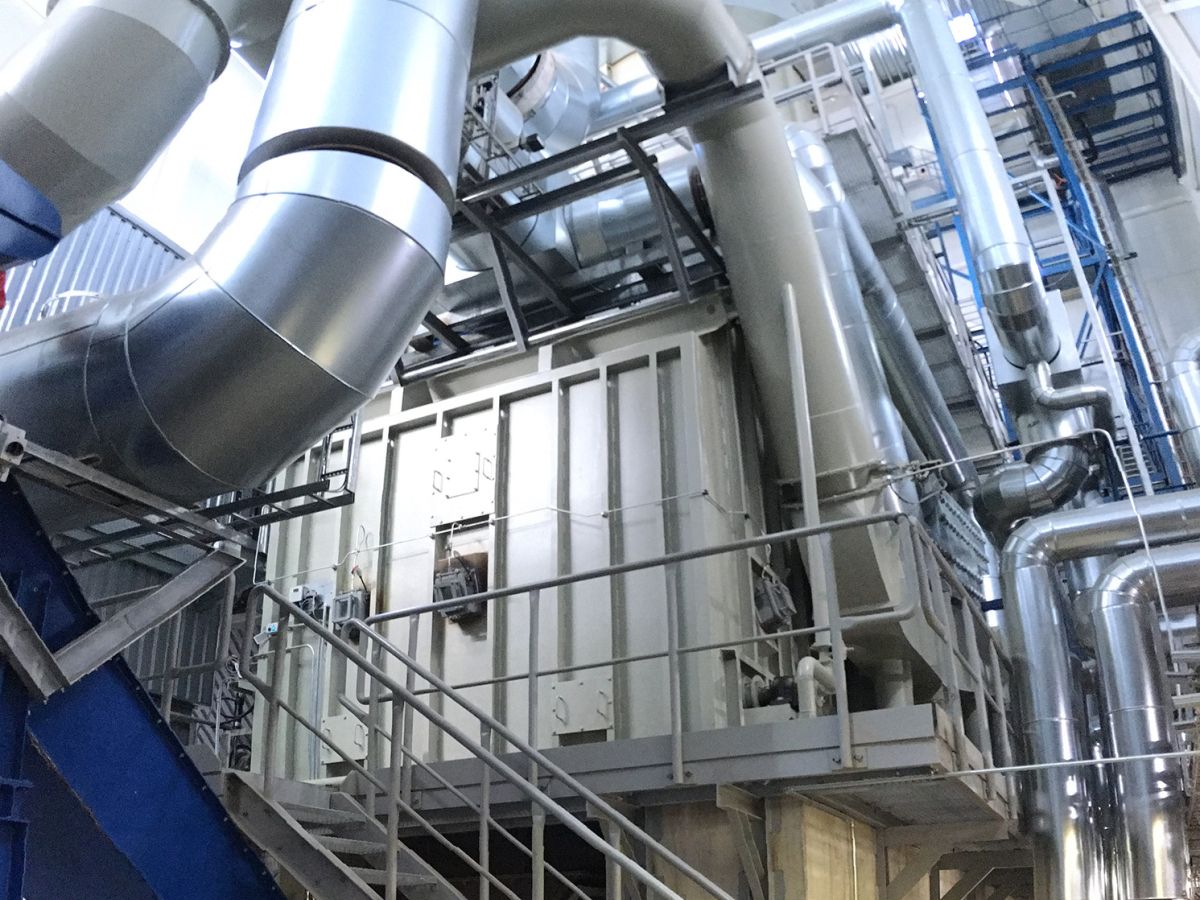
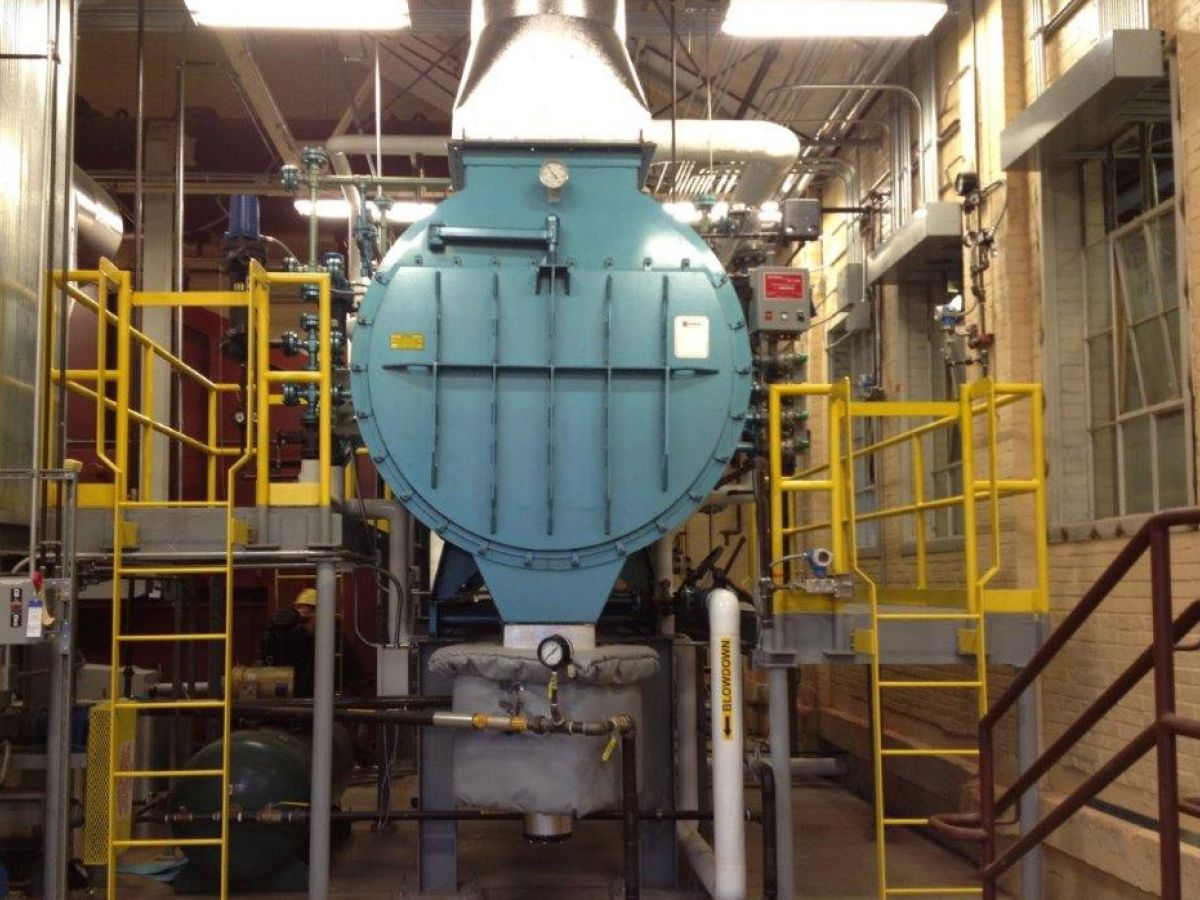
- The thermal energy released is recovered via specially designed heating surfaces and utilized in the form of thermal oil, warm and hot water, steam or hot gases.
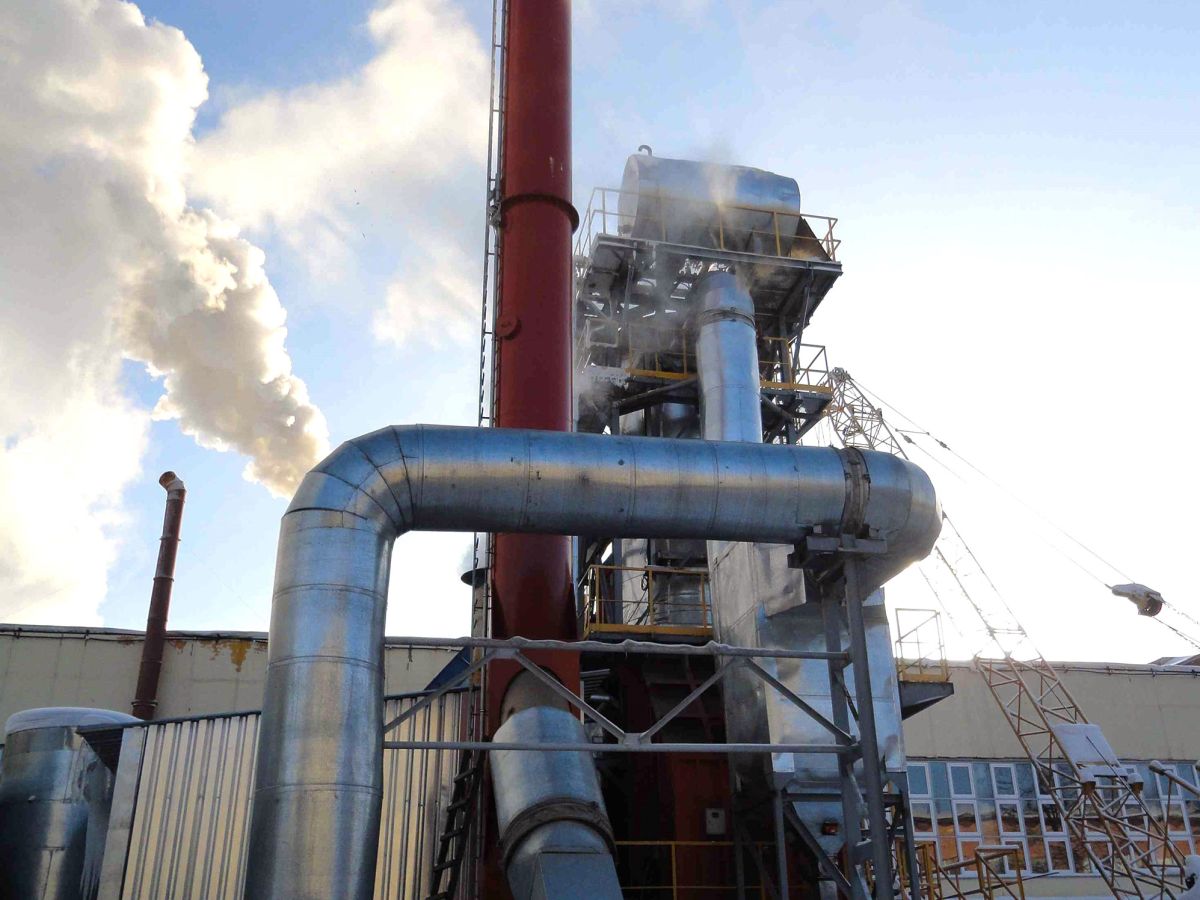
- Depending on the type and origin of the waste material and local emission requirements, combustion exhaust gases also pass through special afterburners and downstream exhaust gas treatment systems.
- Combustion residues and ash are automatically discharged, collected in suitable containers and sent for proper disposal.
Typical combustion systems
- Mechanical moving grate firing in horizontal or inclined configurations: For heterogeneous, solid waste streams with varying calorific values, particle sizes, moisture and ash contents, typically forestry waste, all types of biomass, and biogenic production waste from the wood and wood-based materials industries.
- Rotary kilns: For poorly combustible and highly heterogeneous residual materials or materials that require a long residence time for complete combustion.
- Fluidised bed furnaces: For fine-grained, uniform fuels or material streams with a high mineral fraction.
Technical features
- Staged combustion for consistently low emissions and complete burnout.
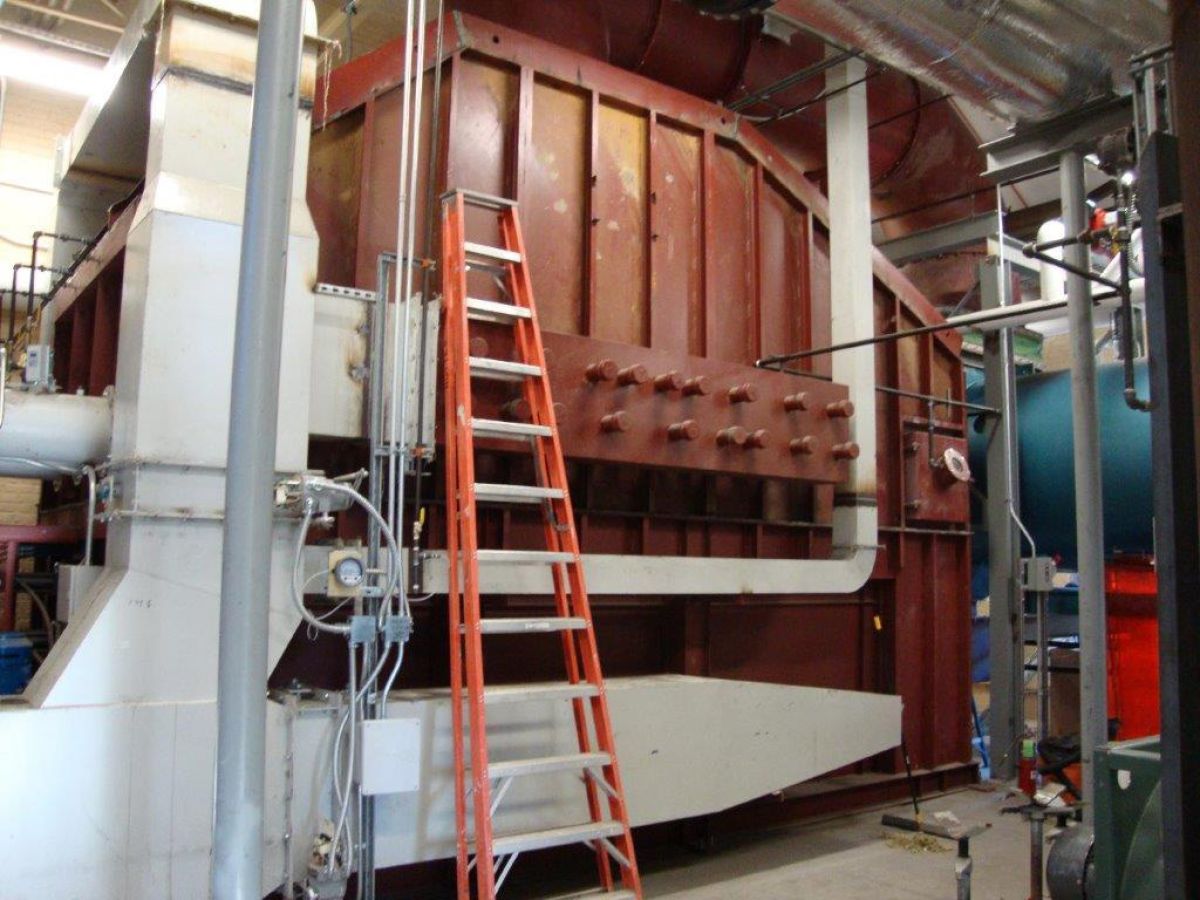
- High temperature stability thanks to robust combustion chamber / firebox lining.
- Automated control of combustion air supply and exhaust gas recirculation.
- Flexibility when fuel quality varies significantly.
- Wide control range combined with high efficiency.
Advantages of an industrial incineration plant
Energy recovery from residual / waste materials
High operational reliability
Robust and heavy-duty industrial construction designed for continuous operation and a long service life.
Efficient heat supply
Reduced disposal costs
Automated ash removal
Long operating cycles without interruptions.
Low emissions
Flexible fuel selection
Suitable for a wide range of waste and biomass qualities.
High system availability
Optimised for 24/7 industrial operation and high annual operating hours (> 8,400 hours/year verifiable).
Industries and typical applications of incineration plants
Typical industries
Wood and wood-based materials industry

Agricultural and food industry

Plastics, paper and packaging industry
Recycling and waste management industry

Chemical and manufacturing industry

Building materials and cement industry

Energy and power plant sector
Typical applications
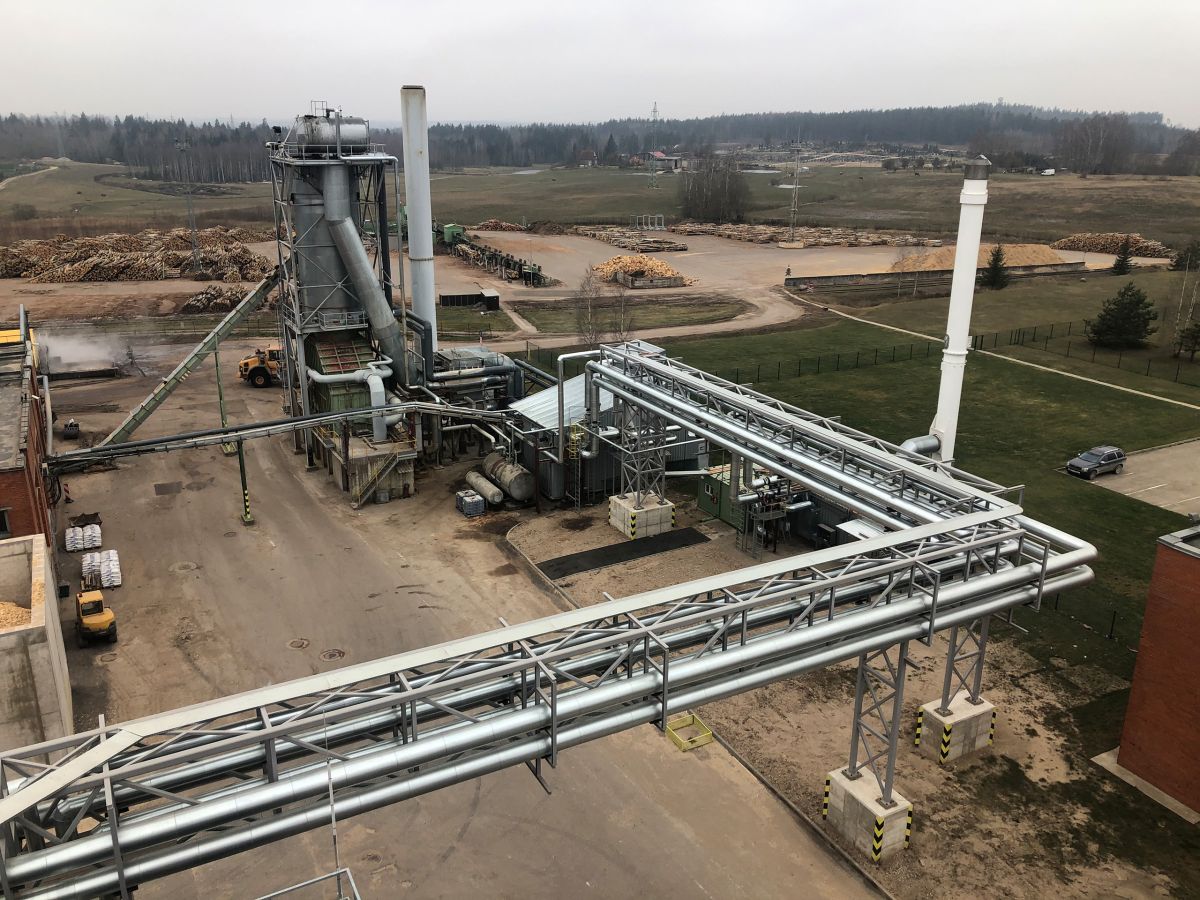
- Incineration of all types of wood waste, such as bark, wet and dry veneer residues, sanding and sawdust, and wood chips contaminated with resin, binders, or varnishes.
- Thermal utilization of agricultural waste such as peels, pomace, fruit pits, or green waste.
- Utilization of production waste from the plastics, rubber, or textile manufacturing industries.
- Co-incineration of hazardous waste or mixtures of residual materials from industrial processes.
- Supply of thermal oil, warm and hot water, steam, or hot gases / hot air for production facilities.
Suitable fuels and feedstocks
All CAW incinerators are designed to handle a wide range of fuels. Both biogenic and industrial waste materials can be safely processed and thermally utilized.
Solid fuels
- Wood waste and woody biomass from the wood-processing industry e.g., sawmills, wood-based material production such as plywood, chipboard, MDF and OSB, thermal wood modification / ThermoWood® and forestry.
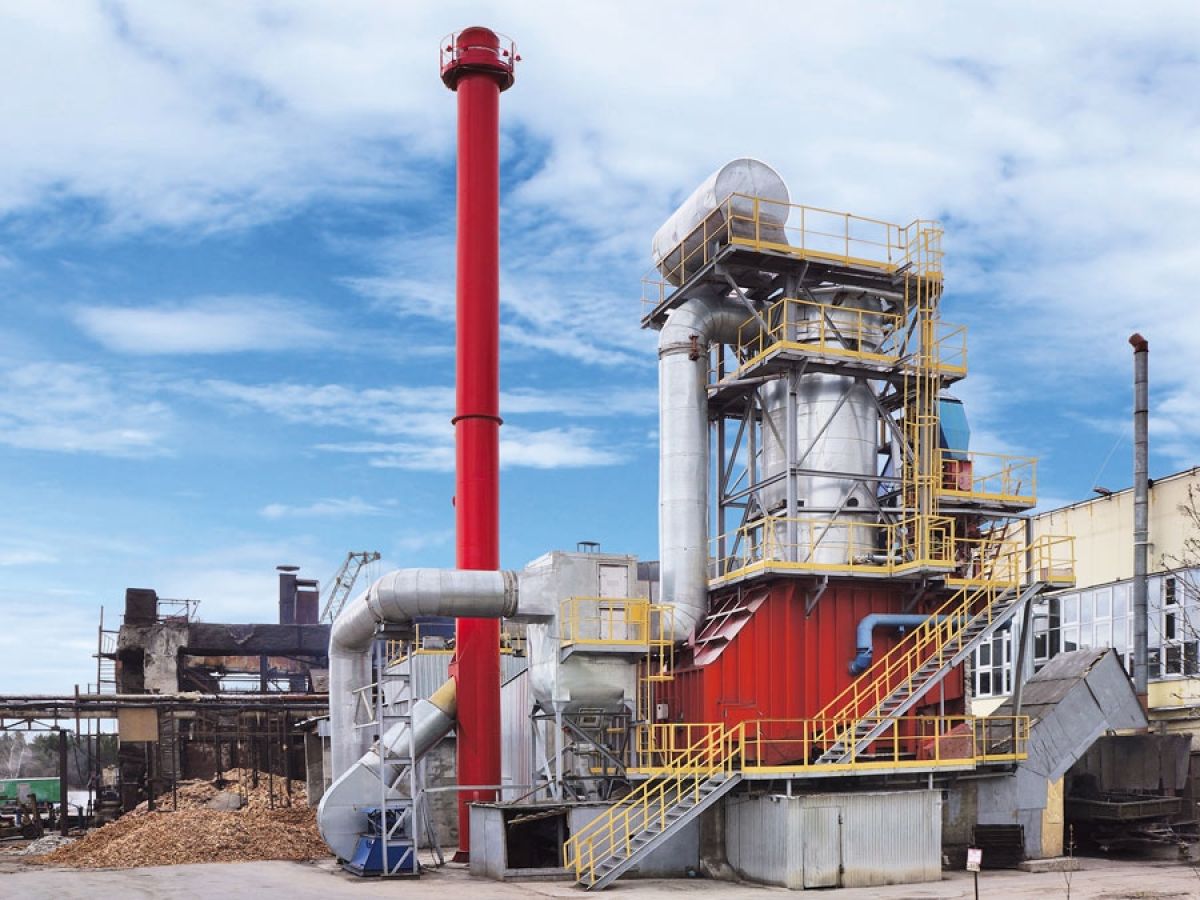
- Residual materials from agricultural production, e.g. husks, kernels, straw, pomace.
- Production waste from plastics, paper or textiles – depending on origin and composition.
- Solid industrial waste with defined calorific values.
Liquid and paste-like fuels
- Organic residues from chemical processes
- Liquid and paste-like by-products from the food or agricultural industries
- Oil-containing production residues
Thermal utilization of energy
- Direct hot gas generation for drying and thermal processes
- Thermal oil heating for high-temperature applications
- Warm/hot water generation for building and district heating systems
- Indirect steam generation for processes and combined heat and power generation (CHP)
- Integration with ORC systems for decentralized power generation
Why CAW combustion systems and incinerators are the right choice
CAW combustion systems and incinerators are synonymous with robust construction and heavy-duty industrial design, maximum efficiency with minimum emissions as well as long-term operational reliability and uptime. Our combustion systems are designed to function reliably over the long term, even under harsh operating and environmental conditions – including widely varying fuel qualities and high annual operating hours.
We support you every step of the way – from initial fuel analyses through the selection and design of the combustion system to its optimal integration into your existing process heating systems. Whether thermal oil, warm / hot water, steam or hot gases – we develop the exact solution that optimally meets your energy needs while making the most economical use of your valuable waste and residual materials.