TRO systems for industrial exhaust air purification
safe oxidation of VOCs, solvents and pollutants
Many industrial processes generate gaseous emissions containing organic compounds, solvents and/or other odorous substances. TRO (Total Residual Oxidants) or TAR systems (thermal afterburning or thermal exhaust air purification) clean these exhaust air streams reliably, safely and in compliance with regulations. CAW develops thermal exhaust air purification systems for demanding production environments – with high availability, efficient combustion and consistently stable exhaust gas quality.
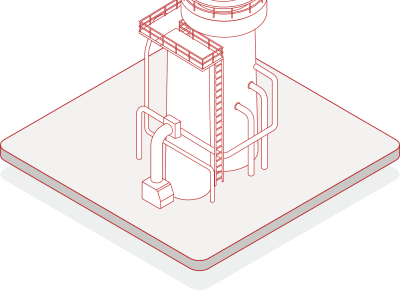
How do TRO systems work?
TRO systems destroy organic pollutants (VOCs, solvents, BTEX, odorous substances) through thermal oxidation. The exhaust air is heated to high temperatures by additional combustion of fuel gases or heating oils, causing the organic molecules to burn completely and be converted into CO2 and H2O.
Basic principle
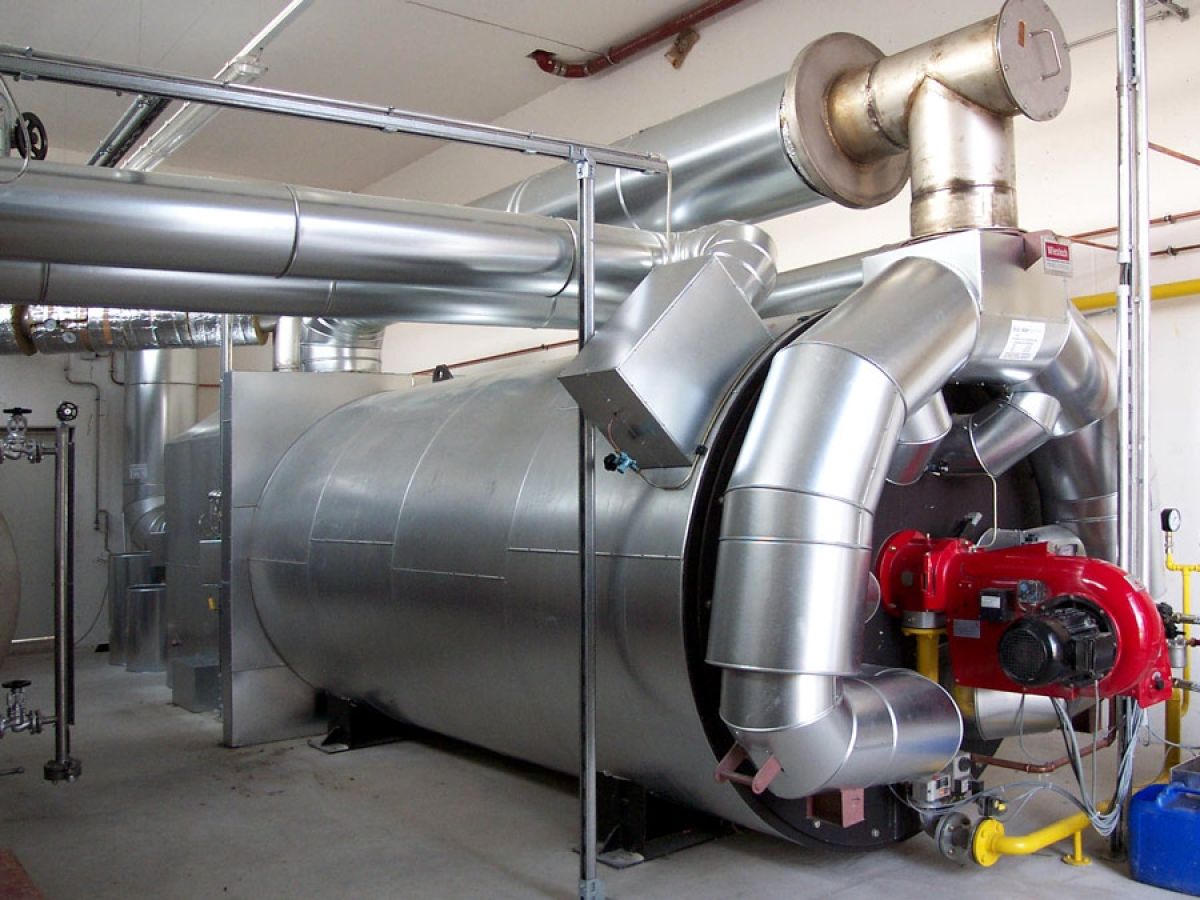
- The contaminated exhaust air is fed into the combustion chamber of the TRO system via a gas-tight duct system.
- A burner brings it to the required reaction temperature – depending on the exhaust air constituents, this is typically in the range of 750 to 950 °C.
- Defined dwell times and temperatures in the combustion chamber ensure complete oxidation of all exhaust air constituents.
- Upstream mixing zones and afterburn chambers stabilise combustion and burnout even with fluctuating exhaust air volumes and loads.
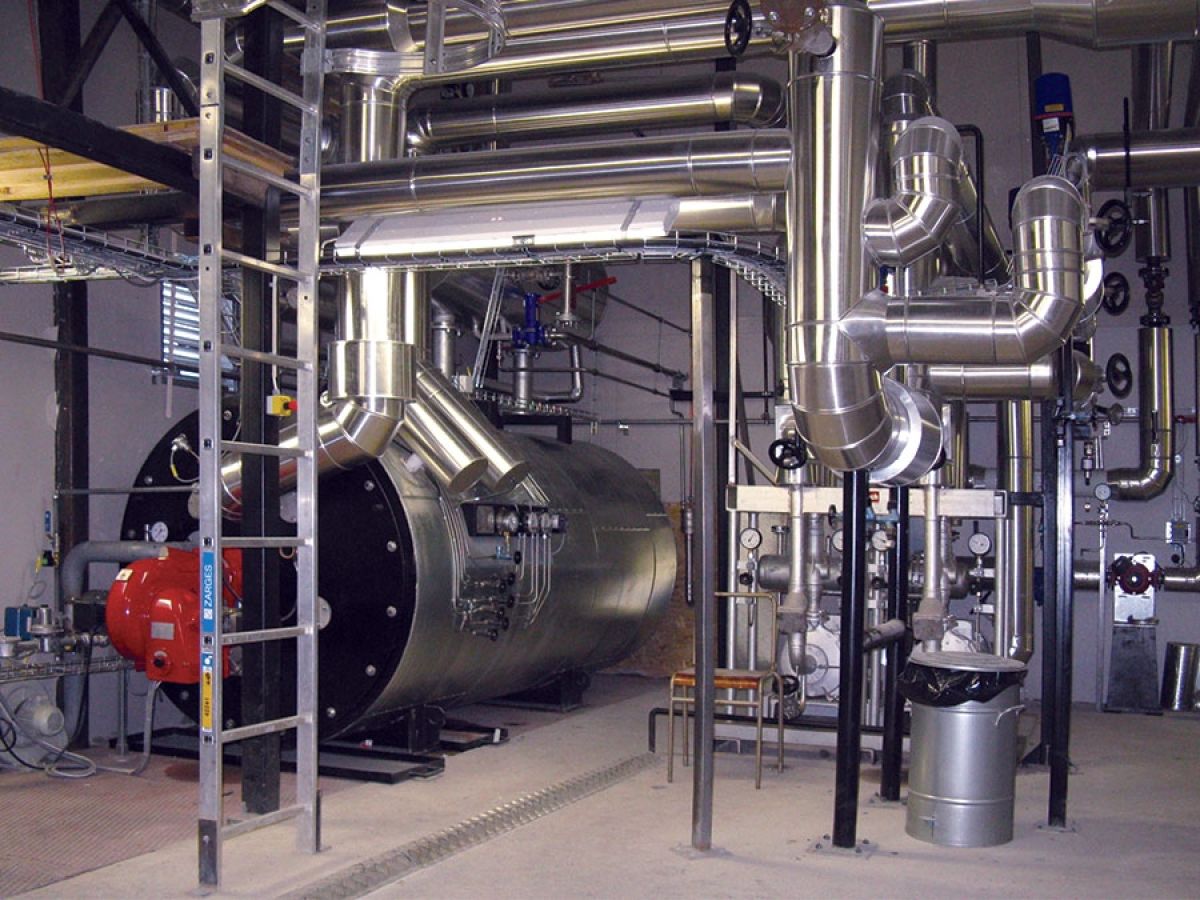
- Heat recovery systems also make good use of the energy from the exhaust gas streams after combustion, e.g. for preheating combustion air, generating hot gases or heating thermal oil.
Technical features
- Temperature range up to well over 1,000 °C depending on the type and quantity of the load and the requirements for exhaust gas purity.
- Defined dwell times for complete pollutant degradation.
- Optional combination with SCR or SNCR systems for NOX reduction.
- Complete oxidation of VOCs, organic solvents and hydrocarbons.
- Stable operation even with highly fluctuating exhaust air loads and volumes.
Advantages of a TRO system
High cleaning performance
Process and operational safety
Reliable system operation even with changing exhaust air volumes and compositions.
Low emissions
Compliance with current and future emission limits.
Energy efficient
Heat recovery to increase plant efficiency and for other process steps or media.
Robust construction
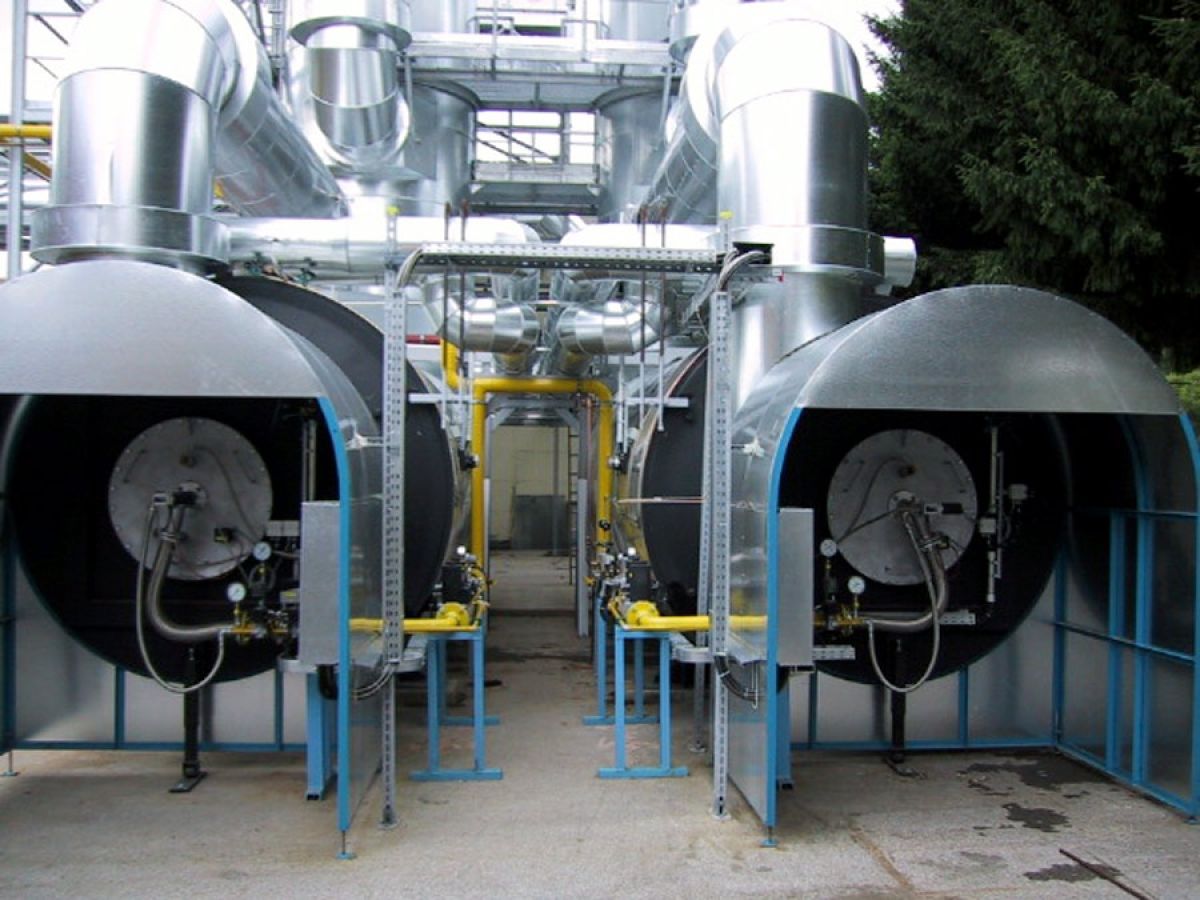
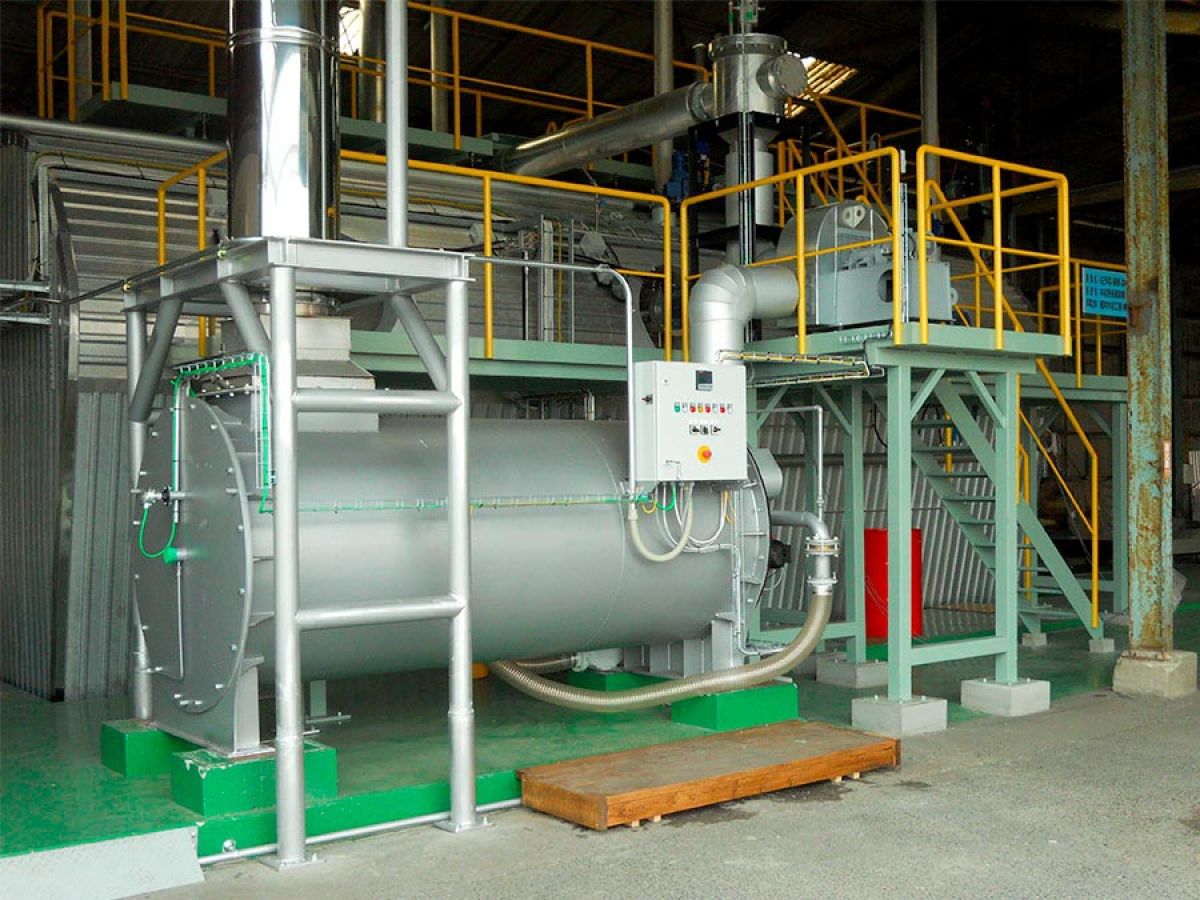
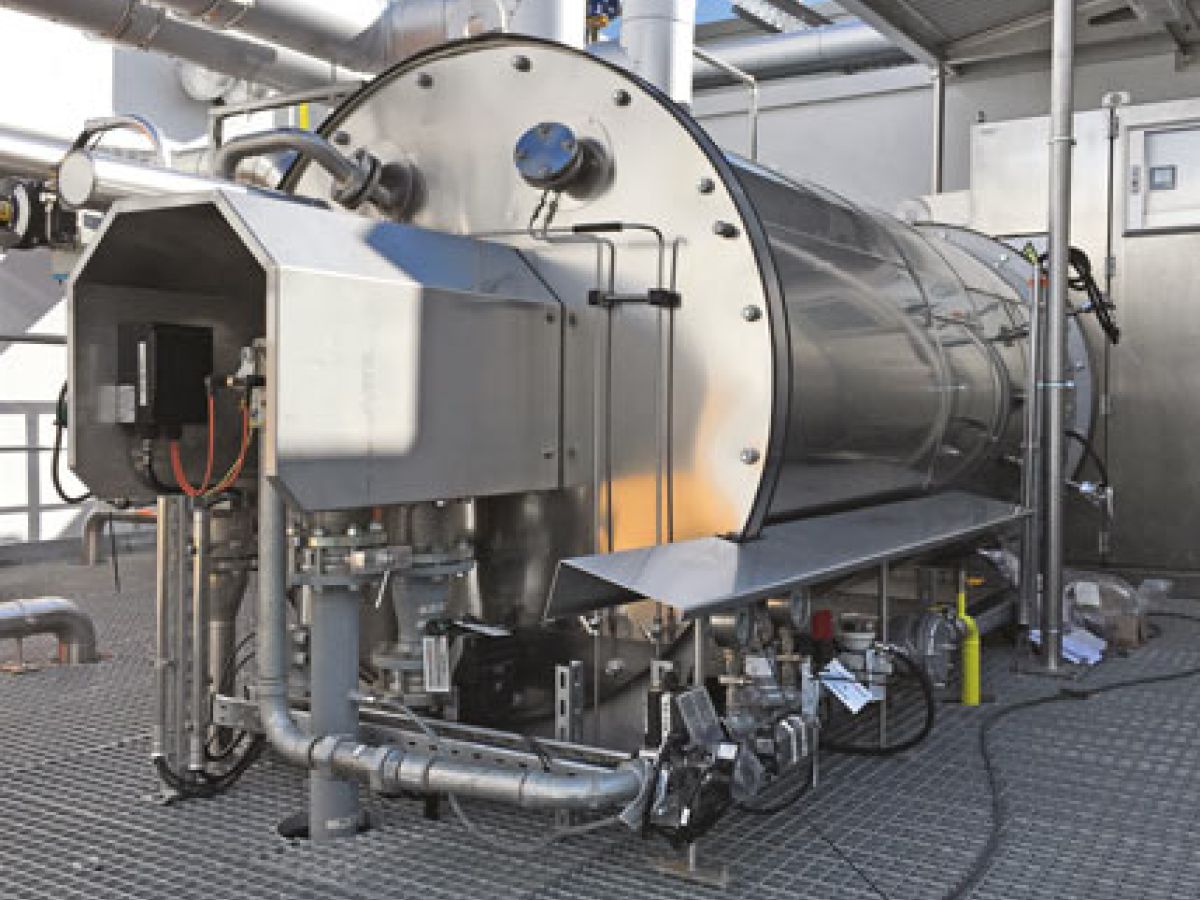
All-steel combustion chambers with durable refractory materials for near-adiabatic operation.
High availability
Designed for 24/7 industrial operation with long operating cycles.
Flexible adaptation
Design as direct firing, post-combustion or combination with existing processes.
Safe co-incineration
Treatment of complex gas mixtures, low-concentration gases and gaseous and liquid organic residues.
Industries and typical areas of application for TRO systems
TRO systems are used wherever exhaust air streams containing VOCs, solvents or strong odours are produced. The proven and robust technology is particularly suitable for continuous and heat-intensive production processes.
Typical industries

Chemical industry
Pharmaceutical industry

Wood and wood-based material production

Paint and varnish industry
Plastics and rubber industry

Food and vegetable oil processing

Textile and nonwoven industry

Printing and coating industry
Typical applications
- Removal of organic solvents from drying systems and process furnaces.
- Oxidation of VOC-containing process exhaust gases from coating systems.
- Treatment of exhaust gases from thermal processes or paint booths.
- Co-incineration of low-concentration gases and pendulum gas flows from tanks and storage facilities.
- Thermal protection for safety-critical waste streams.
Exhaust air flows and media for TRO systems
TRO systems are suitable for a wide range of organically contaminated exhaust air streams. The selection of combustion chamber design, residence time and temperature depends on the pollutant profile and the respective local emission requirements.
Typical exhaust air flows
- VOCs and organic hydrocarbons
- Solvent mixtures from coating and drying processes
- Special residual gases from chemical production steps
- Low-concentration gases from storage tanks, vents or extraction systems
- Gas mixtures from thermal production plants
Heat recovery
- Preheating combustion air to reduce the demand for primary and auxiliary fuels
- Generation of hot gases for downstream or other processes
- Coupling with thermal oil systems for high-temperature heat supply
- Feed of warm/hot water or steam into operational networks.
Why CAW’s TRO systems are the right solution for your exhaust air
CAW’s TRO systems are characterised by high operational reliability, robust construction and efficient combustion technology. Our systems are designed for demanding exhaust air flows and reliably meet all applicable emission standards.
We develop customised combustion chambers, afterburn chambers, air ducting systems and heat recovery units for your specific process requirements. Whether you are modernising, expanding or building from scratch, CAW delivers your complete solution for thermal exhaust air purification.